I. Introduction
In today’s fast-paced world, audio-visual (AV) systems have become integral to both commercial and residential environments. Whether it’s for a corporate conference room, a classroom, a home theater, or even a simple living room setup, understanding the nuances of audio-visual systems installation can significantly impact functionality and user experience. This article explores the differences and similarities between commercial and residential AV systems, providing insights into their unique requirements, installation considerations, and the overall value they offer.
Recognizing the distinctions between commercial and residential audio-visual systems is essential for making informed decisions that align with your specific needs. With a plethora of options and technologies available, navigating the complexities of AV systems can seem daunting. This article serves to demystify these installations, ensuring that you understand which solution is best suited for your environment.
II. Defining Audio Visual Systems Installation
A. What is Audio Visual Systems Installation?
Audio-visual systems installation refers to the process of setting up equipment that allows for the integration of sound and visual elements to enhance communication, entertainment, and information sharing. This can encompass a wide range of technologies, including projectors, screens, speakers, microphones, and control systems, all tailored to meet specific audience needs.
AV installations are designed to facilitate effective communication, whether through presentations in a boardroom or streaming media in a home setting. The goal is to create an immersive experience for the user, leveraging technology to enhance auditory and visual engagement.
B. Key Components of Audio Visual Systems
While the specific components of an AV system may vary based on the setting, several core elements are typically included:
- Displays: This can involve televisions, projectors, or monitors that showcase visual content.
- Audio Equipment: Speakers, microphones, and amplifiers that ensure clear sound delivery.
- Control Systems: Interfaces that allow users to manage AV components seamlessly.
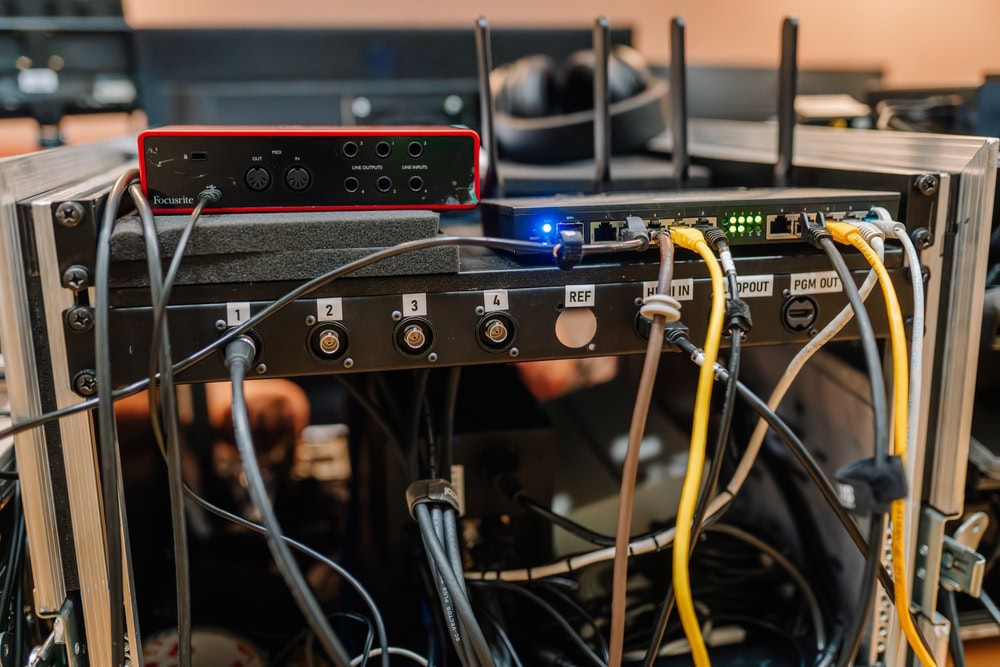
- Networking Solutions: Infrastructure that supports connectivity between devices, often involving wired and wireless options.
III. Commercial Audio Visual Systems Installation
A. Unique Requirements for Commercial Spaces
Commercial spaces have distinct requirements that set them apart from residential installations. These environments often prioritize performance, scalability, and the ability to cater to larger audiences, necessitating specialized equipment and design considerations. For instance, conference rooms may require high-definition displays and advanced audio systems to accommodate presentations and video conferences.
Additionally, commercial spaces need to consider factors such as acoustics, lighting, and room layout to optimize the viewing and listening experience. These elements are critical in ensuring that all attendees can engage with the content being presented, regardless of their location within the room.
B. Types of Commercial AV Systems
Commercial audio-visual installations can take many forms, including:
- Boardroom Systems: Designed for professional meetings, these systems often include large displays, sound systems, and video conferencing capabilities.
- Digital Signage: Used in retail and public venues, digital signage delivers dynamic content to engage customers and convey information.
- Classroom AV Systems: These setups are tailored for educational purposes and may include interactive whiteboards and projectors.
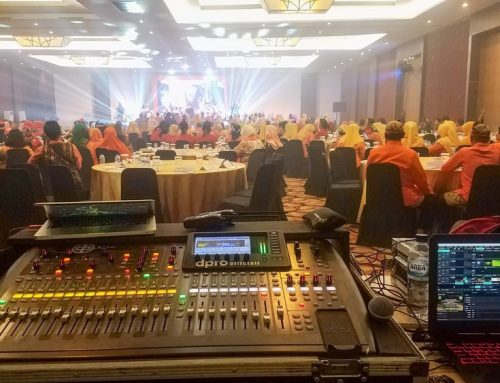
- Event Spaces: AV installations in venues for concerts or corporate events require robust sound and lighting systems to enhance the experience.
C. Installation Considerations in Commercial Settings
When installing AV systems in commercial environments, several considerations must be taken into account. First, the design of the system should align with the space’s purpose and the user experience. This includes selecting components that can handle the size and architectural features of the room.
Installation must also adhere to safety and accessibility standards, ensuring that all equipment is properly mounted and that wiring does not create hazards. Furthermore, commercial installations often require ongoing support and maintenance plans to ensure reliable performance over time.
D. Case Studies of Successful Commercial Installations
One notable example of effective commercial AV installation is in a corporate boardroom where a multi-screen setup allows for simultaneous presentations, enhancing collaboration. The integration of a robust sound system ensures clarity during discussions and presentations, contributing to increased productivity.
Another instance can be seen in educational institutions where modern classrooms equipped with interactive projectors have transformed the teaching experience, allowing for dynamic lessons and enhanced student engagement. Such installations demonstrate how tailored AV solutions can significantly impact functionality and user experience in commercial settings.
IV. Residential Audio Visual Systems Installation
A. Unique Requirements for Residential Spaces
Residential audio-visual systems installation is characterized by a focus on personal preference, comfort, and aesthetic integration. Homeowners often seek solutions that blend seamlessly with their interior design while providing high-quality audio and visual experiences. Unlike commercial setups, residential installations may prioritize versatility and multi-room capabilities.
Home theaters, for instance, may require specialized acoustics and lighting to create an immersive movie-watching experience, while smart home integration can enhance the overall usability of AV systems. The primary goal is to tailor the installation to align with the homeowner’s lifestyle and entertainment preferences.
B. Types of Residential AV Systems
There are several common types of residential AV systems, including:
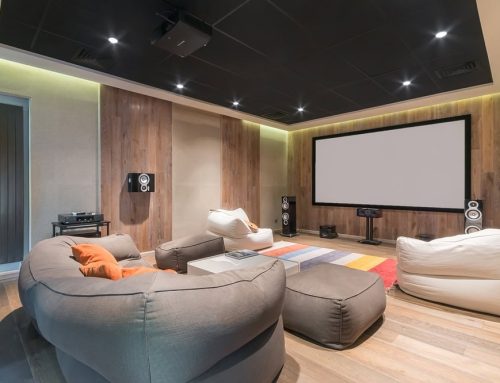
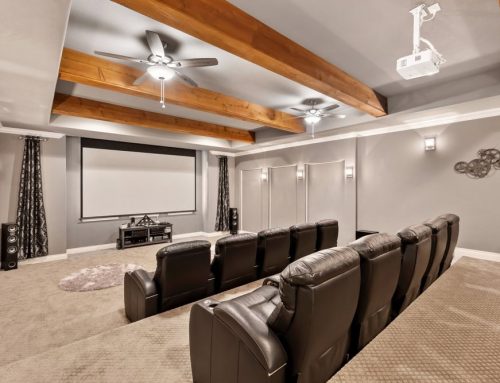
- Home Theater Systems: These setups often include a projector or large screen, surround sound speakers, and streaming devices for an immersive viewing experience.
- Multi-Room Audio Systems: These systems allow homeowners to enjoy music throughout their space, with centralized control over different zones.
- Smart Home Integration: AV systems that integrate with smart home platforms, enabling control of entertainment systems through voice commands or mobile apps.
- Outdoor AV Systems: Designed for patios or backyards, these systems can withstand outdoor conditions while delivering quality sound and visuals.
C. Installation Considerations in Residential Settings
In residential installations, the design should reflect the homeowner’s preferences and lifestyle. This includes considering room acoustics, furniture arrangement, and the decorative style of the home. Moreover, installations should be unobtrusive, taking care not to disrupt the aesthetic appeal of living spaces.
Additionally, technological compatibility is essential. Homeowners may have existing devices that need to integrate smoothly with new systems. Therefore, a thorough consultation process is vital to ensure that all elements work harmoniously, providing a cohesive entertainment experience.
D. Case Studies of Successful Residential Installations
A successful residential installation can be seen in a home theater setup where acoustically treated walls and high-end projectors deliver an exceptional viewing experience. Homeowners often report improved family engagement during movie nights, highlighting the installation’s impact on their leisure time.
In another case, a multi-room audio system installed in a large house allows family members to enjoy personalized music experiences in different areas of the home. By incorporating smart controls, the system enhances convenience and accessibility, leading to greater overall satisfaction.
V. Key Differences Between Commercial and Residential Installations
A. Scale and Complexity
The scale and complexity of installations are perhaps the most significant distinguishing factors between commercial and residential AV systems. Commercial installations often involve larger spaces and require more extensive planning to accommodate higher audience numbers. This complexity can include multiple screens, advanced sound systems, and intricate control interfaces designed for use by various users.
Conversely, residential installations tend to be smaller in scale, focusing on personal use and comfort. While they can still be complex, the considerations are generally less extensive, often revolving around preferences for aesthetics and usability.
B. Technology and Equipment Used
Commercial AV systems usually employ higher-end equipment designed to provide superior performance under demanding conditions. This includes professional-grade projectors, sound systems capable of filling large spaces, and advanced networking solutions to facilitate multiple device connections.
On the other hand, residential systems can leverage consumer-grade technology that strikes a balance between quality and affordability. The emphasis is often on creating a comfortable viewing experience rather than optimizing performance for large audiences.
C. Design and Aesthetic Considerations
Design considerations in commercial settings prioritize functionality and user experience. The layout of the AV system often reflects the need for accessibility and ease of use, with a focus on features that enhance communication and collaboration among users.
In residential installations, aesthetics play a more prominent role. Homeowners typically seek solutions that fit within their home decor and reflect their personal style, leading to customized designs that enhance the overall ambience of their living spaces.
D. Budget and Cost Considerations
Budgeting for commercial installations often requires a more significant investment due to the complexity and higher caliber of equipment needed. Businesses typically allocate substantial funds to ensure longevity and reliability, anticipating a return on this investment through improved operations and communications.
In contrast, residential AV installations are generally more flexible in terms of budget. Homeowners can explore a range of options that fit various price points, allowing for tailored solutions that meet their needs without overspending.
E. Maintenance and Support Services
Commercial installations typically require ongoing maintenance and technical support to ensure that systems function optimally. This can include regular servicing, troubleshooting, and upgrades, often managed through service contracts that ensure timely assistance and availability of technical expertise.
In residential settings, while some homeowners may opt for maintenance plans, many manage their installations independently. However, professional support can still be invaluable for troubleshooting and upgrading systems as technology evolves.
VI. Choosing the Right Installation for Your Needs
A. Assessing Your Space
Before committing to an audio-visual installation, a thorough assessment of your space is crucial. For commercial settings, evaluate the size of the room, the number of users, and the primary functions of the AV system. Understanding these factors will guide your choice of technology and installation design.
In residential contexts, consider the layout and existing decor, as well as family entertainment habits. Analyzing how the space is used will help tailor an AV solution that enhances enjoyment and usability.
B. Identifying Your Goals and Requirements
Establishing clear goals for your AV system is vital. In commercial settings, the focus may be on improving collaboration and communication, while residential installations often aim to enhance entertainment experiences. Determining your primary objectives will inform the equipment and design choices you make.
For both settings, consider future needs as well, such as scalability and integration with smart home technologies or additional AV components as they become available. This forward-thinking approach will ensure your investment remains relevant over time.
C. Consulting with Professionals
Engaging with AV professionals can provide invaluable insights and ensure that your installation aligns with best practices. These experts can conduct detailed assessments, recommend suitable equipment, and offer installation services that adhere to industry standards.
Professional consultants can also help navigate emerging technologies and trends, ensuring that your AV system remains cutting edge and fully meets your needs, now and in the future.
VII. Why Choose Briggs A/V Solutions?
A. Our Expertise in Both Commercial and Residential Installations
At Briggs A/V Solutions, we pride ourselves on our extensive experience in both commercial and residential audio-visual installations. Our team understands the unique needs of each environment, allowing us to deliver tailored solutions that exceed client expectations.
We leverage our expertise to ensure that every installation is completed to the highest standards, ensuring reliability and performance for years to come. Whether in a corporate meeting room or a cozy home theater, we have the knowledge and skills to provide optimal AV experiences.
B. Customized Solutions for Every Client
Recognizing that no two clients are the same, we offer customized AV solutions tailored to meet individual needs. Our approach involves in-depth consultations to fully understand your requirements, allowing us to design systems that align with your objectives and enhance your environment.
By prioritizing flexibility and personalized service, we ensure that every client receives a solution that is both functional and aesthetically pleasing, enhancing their space’s usability and enjoyment.
C. Commitment to Quality and Customer Satisfaction
At Briggs A/V Solutions, we are committed to delivering the highest quality products and services. We partner with leading manufacturers to provide state-of-the-art technology that meets our clients’ diverse needs.
Customer satisfaction is at the forefront of our mission. We strive to build long-term relationships through reliable support, ongoing maintenance, and dedicated service, ensuring that our clients can enjoy their audio-visual systems with confidence.
VIII. Conclusion
A. Recap of Key Differences
In summary, understanding the differences between commercial and residential audio-visual systems installation is crucial for making informed decisions. Commercial installations often prioritize functionality, scalability, and professional performance, while residential setups focus on aesthetics, personal preferences, and comfort. Each requires tailored approaches to ensure they meet specific goals and user needs.
B. Final Thoughts on Audio Visual Systems Installation
Whether you are looking to enhance your corporate environment or create an immersive home entertainment experience, understanding these distinctions will empower you to choose the right installation that suits your unique requirements. Engaging with experienced professionals, like those at Briggs A/V Solutions, can further ensure that your AV needs are met with precision and care.
C. Contact Briggs A/V Solutions for Your AV Needs
For tailored audio-visual solutions that enhance your space, consider partnering with Briggs A/V Solutions. With our expertise and commitment to quality, we can help you create the ideal AV setup, whether for commercial or residential use. Let us turn your vision into reality.