


Introduction
In a world where safety and security are paramount, the choice to implement a security camera system has become increasingly important for both residential and commercial properties. Security cameras serve as a deterrent to crime, a tool for monitoring activity, and a means of gathering evidence in the event of incidents. This comprehensive guide will delve into the different types of security cameras available, their key features, installation processes, and maintenance, ensuring that you are well-informed to make the best decision for your security needs.
Understanding the Importance of Security Cameras
Enhancing Home Security
Home security cameras play a crucial role in protecting families and their belongings. By deterring potential intruders, they provide a visual representation of security that can discourage criminal activity. The sight of a camera can often be enough to make thieves think twice before targeting a property. Furthermore, recent advancements in technology allow homeowners to monitor their premises remotely, offering an added layer of protection.
Protecting Business Assets
For businesses, the stakes are even higher. Security cameras are essential for protecting physical assets, monitoring employee conduct, and ensuring a safe environment for customers. The presence of surveillance cameras can reduce theft, vandalism, and employee misconduct, creating a more secure atmosphere within the business.
Providing Peace of Mind
Whether at home or in a business setting, peace of mind is invaluable. Knowing that your property is being monitored can alleviate anxiety and allow you to focus on other aspects of life. Security cameras provide accessibility to live feeds and recorded footage, enabling you to check in on your property anytime, anywhere.
The psychological benefit of having security cameras is significant. Homeowners and business owners alike report feeling safer and more secure when they know they have a surveillance system in place. This peace of mind translates into a better quality of life, allowing individuals to enjoy their environments without the constant worry of potential threats.
Types of Security Cameras
Bullet Cameras
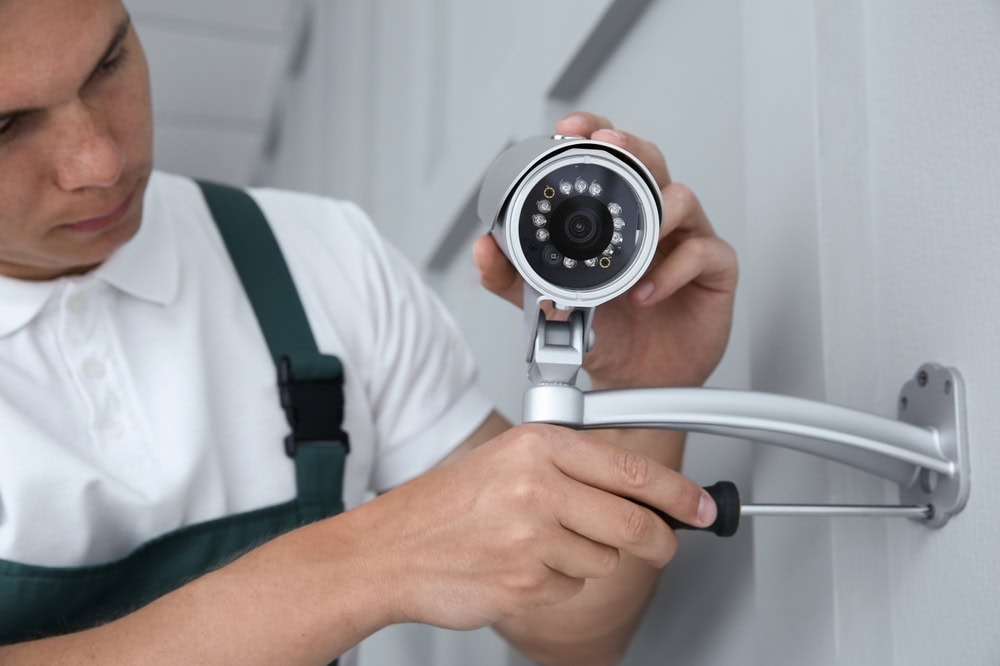
Bullet cameras are one of the most recognizable types of security cameras, characterized by their long, cylindrical shape. They are typically used for outdoor surveillance due to their robust build and ability to capture images over long distances. Bullet cameras often come with varying lens sizes, allowing users to adjust the field of view depending on the area being monitored.
These cameras are ideal for monitoring specific areas, such as entrances, driveways, or large outdoor spaces. Their design allows for easy installation and positioning, making them a popular choice for both residential and commercial properties.
Dome Cameras
Dome cameras are another common type of security camera, known for their discreet appearance and versatility. The dome shape makes it difficult for intruders to determine which direction the camera is facing, thereby enhancing the element of surprise. These cameras can be used indoors and outdoors and are often used in retail environments, lobbies, and other public spaces.
PTZ Cameras
PTZ (Pan-Tilt-Zoom) cameras offer advanced surveillance features that allow users to remotely control the camera’s movement and zoom capabilities. This flexibility makes PTZ cameras suitable for monitoring larger areas, as they can cover wide spaces through panning and tilting, as well as focus on specific details with zoom functionality.
These cameras are often used in environments requiring extensive monitoring, such as parking lots, stadiums, and large retail spaces. PTZ cameras can be programmed to follow specific paths or focus on certain areas, providing enhanced surveillance options for users.
Wireless vs. Wired Cameras
When selecting security cameras, one crucial decision is whether to opt for wireless or wired systems. Wireless cameras offer ease of installation, as they do not require extensive wiring and can be placed in various locations without the limitations of cables. This flexibility makes them ideal for temporary setups or areas where wiring is impractical.
Indoor vs. Outdoor Cameras
Security cameras are designed for different environments, and understanding the distinction between indoor and outdoor cameras is vital for effective surveillance. Outdoor cameras are built to withstand harsh weather conditions, featuring weatherproof casings and enhanced durability. They typically come with infrared capabilities for night surveillance and wider field-of-view options to cover larger areas.
Key Features to Consider
Resolution and Image Quality
One of the most critical factors in choosing a security camera is its resolution and image quality. Cameras with higher resolutions, such as 1080p or 4K, provide clearer and more detailed footage, which is invaluable in identifying individuals and capturing events accurately. High-resolution cameras are particularly beneficial for capturing facial features and license plates, making them more effective for identification purposes.
Image quality is not solely determined by resolution; factors such as lens quality, sensor technology, and lighting capabilities also play a significant role. For example, cameras with larger sensors tend to perform better in low-light conditions, enhancing their effectiveness during nighttime surveillance.
Night Vision Capabilities
Night vision technology is essential for any security camera intended for 24/7 surveillance. Many cameras come equipped with infrared (IR) LEDs that enable them to capture clear images in complete darkness. The ability to monitor your property at night provides an added layer of security, as most criminal activity tends to occur after dark.
There are also color night vision cameras available that utilize advanced technology to produce color images in low-light conditions. These cameras are particularly useful for distinguishing details that may be critical in an investigation. When selecting a camera, consider the quality and range of its night vision capabilities to ensure comprehensive coverage.
Field of View
The field of view (FOV) refers to the extent of the observable area that a camera can capture. Cameras with a wider field of view can cover larger areas, reducing the number of cameras needed for comprehensive surveillance. This feature is especially important in large spaces, such as warehouses or outdoor areas, where multiple cameras may be required to monitor all corners effectively.
Motion Detection and Alerts
Motion detection technology enables security cameras to identify movement within their field of view and trigger alerts. This feature is particularly useful for optimizing storage, as it allows cameras to record only when movement is detected, rather than continuously. Many modern cameras come equipped with customizable motion detection settings, allowing users to tailor alerts and sensitivity levels based on their specific needs.
Storage Options
When considering security cameras, the storage options available for recorded footage are crucial. Most cameras offer local storage options, such as Secure Digital (SD) cards, as well as cloud storage solutions that provide remote access to footage. Cloud storage is particularly appealing for individuals who want to ensure their recordings are safe from theft or damage.
Integration with Smart Home Systems
Integration with smart home systems is an increasingly sought-after feature in modern security cameras. Many cameras can now connect with smart devices, allowing users to control their surveillance systems through a central hub or mobile app. This capability enhances user convenience and enables the automation of various security functions.
Choosing the Right Security Camera
Assessing Your Security Needs
Before purchasing security cameras, it is essential to assess your specific security needs. Consider the areas that require monitoring, the level of detail required, and the features that are most important for your situation. For instance, a homeowner may prioritize cameras with strong night vision and motion detection for outdoor use, while a business owner may focus on video analytics and cloud storage for multi-camera setups.
Conducting a thorough evaluation of your property will help you determine the number of cameras required, their placement, and the type of cameras that will best meet your security objectives. This proactive approach will ensure that you invest in a system that truly addresses your security concerns.
Budget Considerations
Your budget will play a significant role in determining which security camera system best suits your needs. There are a wide variety of cameras available at different price points, from basic models to advanced systems with numerous features. It is essential to strike a balance between affordability and functionality, ensuring that you get the best value for your investment.
Brand and Model Recommendations
When selecting security cameras, the brand and model can significantly affect performance, reliability, and customer support. Some reputable brands, such as Arlo, Ring, and Nest, have established themselves as leaders in the security camera market, offering high-quality products with advanced features. Researching customer reviews and professional recommendations can help you identify models that meet your specific requirements.
Maintaining Your Security Camera System
Regular Updates and Upgrades
As technology continues to evolve, staying up-to-date with the latest advancements in security camera systems is crucial. Regularly check for firmware updates from your camera manufacturer, as these updates often include enhancements, bug fixes, and the latest security protocols. Keeping your cameras updated ensures that you benefit from ongoing improvements and maintain a strong defense against potential vulnerabilities.
In addition to updates, consider upgrading your camera system over time to incorporate newer technologies or additional features that may enhance your security. As your needs change or expand, investing in upgraded models can provide better performance and improved peace of mind.
Cleansing the Cameras
Regular cleaning of your security cameras will help maintain their image quality and performance. Dust, bird droppings, and other debris can accumulate on the camera lenses, obstructing the view and diminishing the quality of the footage. Use a microfiber cloth and a gentle cleaning solution to wipe down the lenses periodically, ensuring that they remain clear for optimal functionality.
Additionally, inspect the camera housing for any signs of wear or damage. Addressing these issues promptly will help prevent problems that could compromise your surveillance effectiveness and ensure that your security system remains in top condition.
Monitoring and Adjustments
Monitoring the performance of your security cameras is an ongoing process that requires attention and adjustments as needed. Periodically review recorded footage to assess the effectiveness of the camera placements and settings. If you notice areas that are not adequately covered or if motion detection settings need adjustments, make the necessary changes to optimize your system.
Moreover, engage with the analytics offered by various camera systems, which can provide valuable insights into patterns and behaviors captured on camera. This data may help you identify potential security risks and guide you in strengthening your overall security strategy.
Common Issues and Troubleshooting
Camera Not Recording
One of the most frustrating issues that users may encounter is a security camera that is not recording as expected. Several factors can contribute to this problem, including insufficient storage, power issues, or incorrect settings. To troubleshoot, start by checking the storage capacity to ensure it is not full; if it is, delete unnecessary footage or upgrade your storage solution.
Next, verify that the camera is receiving power and that all connections are secure. Additionally, review the camera’s settings to confirm that the recording option is enabled and that the motion detection settings are properly configured. If problems persist, consult the manufacturer’s troubleshooting guide or customer support for further assistance.
Poor Image Quality
Poor image quality can be another common issue, potentially resulting from factors such as low resolution, environmental conditions, or camera placement. If the image appears blurry or pixelated, check the camera’s resolution settings and consider upgrading to a higher resolution model if necessary.
Environmental factors, such as excessive glare from sunlight or reflections, can also degrade image quality. Experiment with camera placement and angles to minimize these issues. Lastly, ensure that the lens is clean and free from obstructions, as any debris can significantly impact image clarity.
Connectivity Problems
Connectivity issues can hinder the effectiveness of both wired and wireless security cameras. For wired systems, ensure that all cables are securely connected and that there are no damage points along the wiring. For wireless cameras, check the Wi-Fi signal strength and the distance from the router, as weak signals can lead to dropouts and poor performance.
In cases where connectivity remains an issue, consider using Wi-Fi extenders or upgrading your internet service to ensure a stable connection. Regularly monitoring your cameras’ connectivity status can help identify potential problems before they affect your security coverage.
Conclusion
Incorporating security cameras into your home or business is an essential step toward enhancing safety and security. By understanding the various types of cameras available, their key features, and the installation and maintenance processes, you can make informed decisions to protect your property effectively. Remember to assess your security needs, consider your budget, and choose reputable brands to ensure a reliable system that meets your expectations.
With proper installation, regular maintenance, and attention to detail, your security camera system can provide invaluable peace of mind and protection for years to come. As technology continues to advance, staying informed and adapting to new developments will ensure that your security measures remain effective and responsive to evolving threats. When you’re ready to learn more contact us at Briggs AV Solutions!