


Introduction
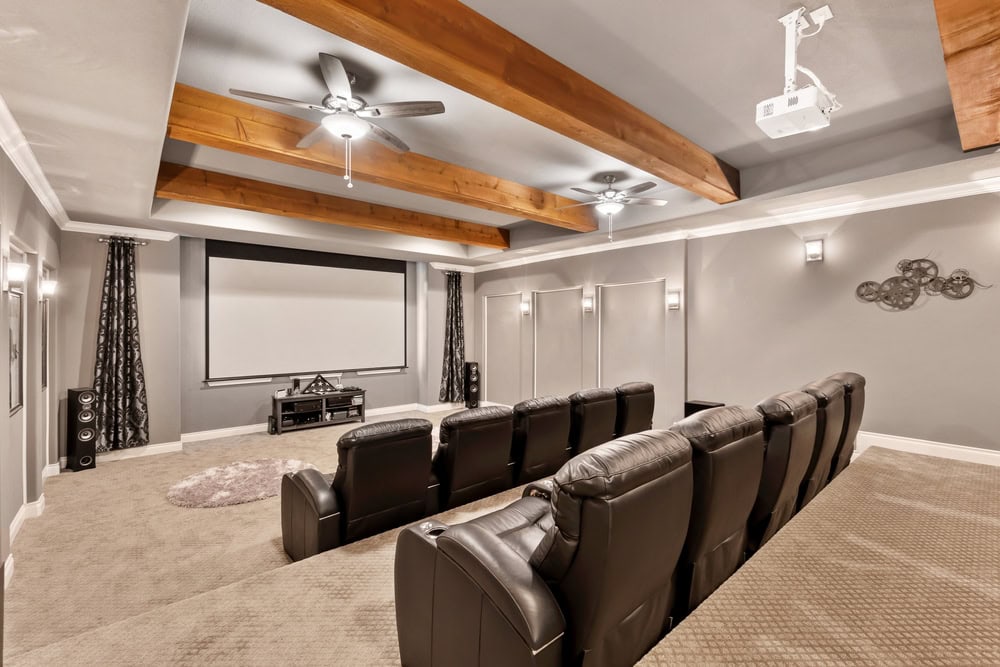
Installing a home theatre system can transform your living space into an immersive entertainment hub, allowing you to enjoy movies, music, and games with unparalleled audio-visual quality. However, the process of installation is not as straightforward as it may seem. Homeowners often overlook critical steps and make common mistakes that can hinder their home theatre experience.
This article will explore the most frequent pitfalls encountered during the installation of a home theatre system. By understanding and avoiding these mistakes, you can ensure a successful setup that maximizes your enjoyment and investment.
1. Skipping the Planning Phase
Understanding Your Space
One of the primary mistakes homeowners make is skipping the planning phase entirely. Before purchasing equipment, it’s crucial to assess your space. Consider the room’s dimensions, shape, and layout, as these factors significantly influence the overall experience. For example, a small, irregularly shaped room may require different audio and visual solutions than a spacious, rectangular space.
Assessing Audio and Visual Needs
Each home theatre is unique, and understanding your specific audio and visual needs is essential. Consider how many viewers will typically be in the room and their seating positions. This assessment will guide you in selecting the right screen size and audio configuration.
Creating a Budget
Establishing a budget is another critical planning step. Determine how much you are willing to invest in your home theatre system, keeping in mind that costs can quickly add up. A well-defined budget will help you stay focused on your goals and prevent overspending on unnecessary features or equipment.
Remember to account for all aspects of the installation, including equipment, furniture, and potential professional installation services. This comprehensive approach to budgeting ensures that you allocate funds appropriately and avoid financial surprises down the road.
2. Neglecting Room Acoustics
Common Acoustic Issues
Room acoustics play a crucial role in the overall audio experience of your home theatre. Neglecting this aspect can lead to common issues, such as echo, poor sound distribution, and excessive bass. Factors such as wall materials, ceiling height, and floor coverings all impact how sound travels within the room.
Solutions to Improve Sound Quality
There are several solutions to address acoustic issues in your home theatre. Firstly, consider adding sound-absorbing materials, such as acoustic panels or carpets, to reduce echo and enhance sound quality. Additionally, strategically placing furniture can help diffuse sound waves and improve overall audio performance.
Another option is to employ bass traps in corners to manage low-frequency sounds, which can significantly enhance the clarity and depth of your audio experience. Investing time and resources into improving room acoustics will pay off in the long run, allowing you to fully appreciate the robust sound quality of your home theatre system.
3. Choosing the Wrong Equipment
Importance of Compatibility
Choosing the right equipment is vital for a seamless home theatre experience. One common mistake is selecting components that are not compatible with one another. For instance, pairing a low-quality projector with a high-end screen can result in a disappointing viewing experience. Always ensure that each component of your system, including the receiver, speakers, and display, is compatible and suited for your specific needs.
Investing in Quality Over Quantity
While it may be tempting to purchase numerous low-cost components, investing in fewer, higher-quality items is often a more prudent choice. Quality equipment can provide a better audio-visual experience and often lasts longer than cheaper alternatives. Research brands and read reviews before making a purchase to ensure you are selecting reliable and reputable products.
The Role of Professional Recommendations
Professional recommendations can be invaluable when selecting equipment for your home theatre system. Consulting with experts can help you navigate the vast array of products available on the market and identify the best options for your specific needs and budget. These professionals can also offer insights into emerging technologies and trends that may be beneficial for your setup.
Don’t hesitate to seek advice from audio-visual specialists at local retailers or online forums. Their expertise can help you avoid common pitfalls and ensure a successful installation process tailored to your home’s unique characteristics.
4. Poor Speaker Placement
Understanding Speaker Types
Speaker placement is a critical factor that can significantly affect the audio experience of your home theatre. Different types of speakers—such as bookshelf, floor-standing, or surround sound systems—require distinct placement strategies to optimize sound performance. A common mistake is placing speakers without regard to their specific characteristics, which can lead to poor sound quality and an unsatisfying experience.
Understanding the ideal placement for each speaker type is key. For example, surround sound speakers should be positioned slightly above ear level and angled towards the listening area, while subwoofers often require careful positioning to deliver optimal bass response. Familiarizing yourself with the requirements of your chosen speakers will help create a balanced and immersive audio environment.
Optimal Placement Strategies
Following optimal placement strategies can enhance your home theatre audio experience. Start by creating an equilateral triangle between the primary seating and the front speakers, ensuring that the listeners are equidistant from each speaker. This arrangement helps to create a balanced soundstage where audio can be evenly distributed across the room.
Avoiding Common Placement Errors
Some common placement errors include positioning speakers too close to walls, which can result in boomy sound, or neglecting to account for listening positions when setting up surround sound systems. Another frequent mistake is failing to calibrate the speaker levels, which can lead to an imbalanced audio experience. Using tools and apps designed for speaker calibration can help you make necessary adjustments for optimal sound.
By avoiding these common pitfalls and taking the time to carefully plan speaker placement, you can significantly enhance the audio experience of your home theatre system and ensure that every movie night or gaming session is truly immersive.
5. Underestimating Cable Management
Types of Cables Needed
Cable management is an often-overlooked aspect of home theatre installations. Underestimating the types of cables needed can lead to a chaotic and inefficient setup. Consider the various connections required for audio, video, and power sources. Common cables include HDMI, optical audio, and speaker wire, each serving distinct purposes in delivering quality audio and visual signals.
The Importance of Organization
Proper cable organization is essential for both aesthetics and functionality. Messy cables can detract from the appeal of your home theatre and can also pose safety hazards. Utilize cable management solutions such as cable clips, sleeves, or boxes to keep your cables tidy and out of sight. This streamlined approach not only improves the look of your setup but also makes it easier to troubleshoot any issues that may arise in the future.
Concealing Cables Safely
Concealing cables is a vital consideration, particularly in spaces where aesthetics are emphasized. Using raceways or wall conduits can help hide cables along walls to maintain a clean appearance. If you are comfortable with DIY projects, you might consider running cables through walls, but this requires careful planning and adherence to local building codes.
For those who prefer a more straightforward solution, consider utilizing furniture or decorative elements to conceal cables. For example, placing entertainment units strategically can hide cables from view while still providing easy access to your devices. By addressing cable management thoughtfully, you create a more enjoyable and visually appealing home theatre environment.
6. Ignoring Lighting Considerations
Effect of Ambient Light on Viewing Experience
The lighting in your home theatre can greatly impact the overall viewing experience. Ignoring ambient light can result in washed-out images, making it difficult to enjoy films or video games. Assess the natural light sources in the room and consider how they will interact with your screen. For instance, large windows may require blackout curtains to minimize glare and enhance image quality.
Adjusting Lighting for Optimal Performance
Once you recognize the importance of lighting, you can make necessary adjustments for optimal performance. Installing dimmer switches allows you to tailor the brightness of the room based on the content you’re viewing. For instance, you may want low lighting when watching a movie but brighter settings for gaming or sports events.
7. Overlooking the Importance of Calibration
Understanding Calibration Basics
Calibration is a crucial aspect of home theatre setup that is often overlooked. Many homeowners assume that simply putting everything together guarantees optimal performance, but calibration involves fine-tuning your system to ensure the best audio-visual quality. This includes adjusting speaker levels, screen settings, and audio configurations to match your room’s specific acoustics and layout.
Common calibration tasks include setting the correct speaker distances, adjusting levels for surround sound systems, and fine-tuning the brightness and contrast of video displays. Taking the time to calibrate can drastically improve your overall experience and help you get the most out of your home theatre system.
Benefits of Professional Calibration Services
While many homeowners can perform basic calibration tasks, enlisting professional calibration services can yield the best results. Professionals have the tools and experience necessary to analyze your system and make precise adjustments that enhance performance. They can also provide insights into your specific equipment and recommend further upgrades or changes that may be beneficial.
Beyond just calibration, professionals can help you understand your system better, ensuring that you maximize its potential. Investing in professional calibration may seem like an additional cost, but the improvement in your viewing and listening experience is often well worth it.
8. Not Considering Future Upgrades
Planning for Technology Advancements
Technology in the home entertainment space is constantly evolving, and failing to consider future upgrades can lead to a system that quickly feels outdated. When designing your home theatre, think about how you might want to expand or improve your setup in the coming years. This may involve purchasing equipment with greater compatibility or features that can accommodate new technologies.
Building Flexibility into Your System Design
When designing your home theatre system, consider building flexibility into your setup. This can include opting for modular components that can be easily upgraded or replaced. Additionally, selecting an AV receiver that supports multiple input sources can facilitate future additions, such as streaming devices or new gaming consoles.
By thinking ahead and designing your system with future upgrades in mind, you can create a more adaptable home theatre that will evolve with your entertainment needs over time.
9. DIY Installation Pitfalls
When to Call a Professional
Many homeowners consider a DIY approach to installing their home theatre systems to save money. While this can work for some, it’s essential to know when to call a professional. Complex installations, particularly those involving extensive wiring or specialized equipment, can be challenging even for the most seasoned DIY enthusiasts.
If you find yourself unsure about specific installation steps or lacking the necessary tools, enlisting help from a professional can save time and potential headaches. Professionals bring expertise and experience, ensuring that your home theatre is set up correctly and efficiently.
Potential Risks of DIY Installation
Attempting a DIY installation without the necessary knowledge can lead to various risks. Poorly installed equipment can result in subpar performance, and mistakes may damage your components or create safety hazards. For instance, improper wiring can lead to electrical issues or even fires. Furthermore, inadequate soundproofing or incorrect speaker placements can significantly detract from your overall experience.
To avoid these risks, carefully assess your skills and experience before deciding to proceed with a DIY installation. If you do choose to go the DIY route, be sure to conduct thorough research and follow best practices to mitigate potential issues.
10. Neglecting User Training
Importance of Familiarity with the System
After installation, one commonly overlooked element is user training. Ensuring everyone in the household is familiar with how to operate the home theatre system can greatly enhance the overall experience. Neglecting this aspect may lead to frustration or underutilization of the system’s features, diminishing the enjoyment it provides.
Take the time to walk through the system with family members, explaining how to operate each component and troubleshoot common issues. Familiarity with the system enhances user confidence and encourages a more enjoyable experience.
Providing User Manuals and Support
Providing user manuals and support materials can also facilitate a better understanding of the system. Consider creating a simple guide that outlines the key functions and features of your home theatre setup. This resource can serve as a quick reference, helping users navigate the system without confusion.
Conclusion
In summary, installing a home theatre system involves careful planning, consideration of acoustics, proper equipment selection, effective cable management, and attention to lighting. Avoiding common mistakes—such as neglecting calibration, overlooking future upgrades, and underestimating the importance of user training—can significantly enhance your home theatre experience.
As you embark on your home theatre journey, remember that attention to detail can make all the difference. By taking the time to plan, research, and implement best practices, you can create a stunning entertainment setup that brings joy to your home for years to come. when you’re ready to learn more contact us at Briggs AV Solutions for more inforamtion!