


Introduction to Smart Home Technology
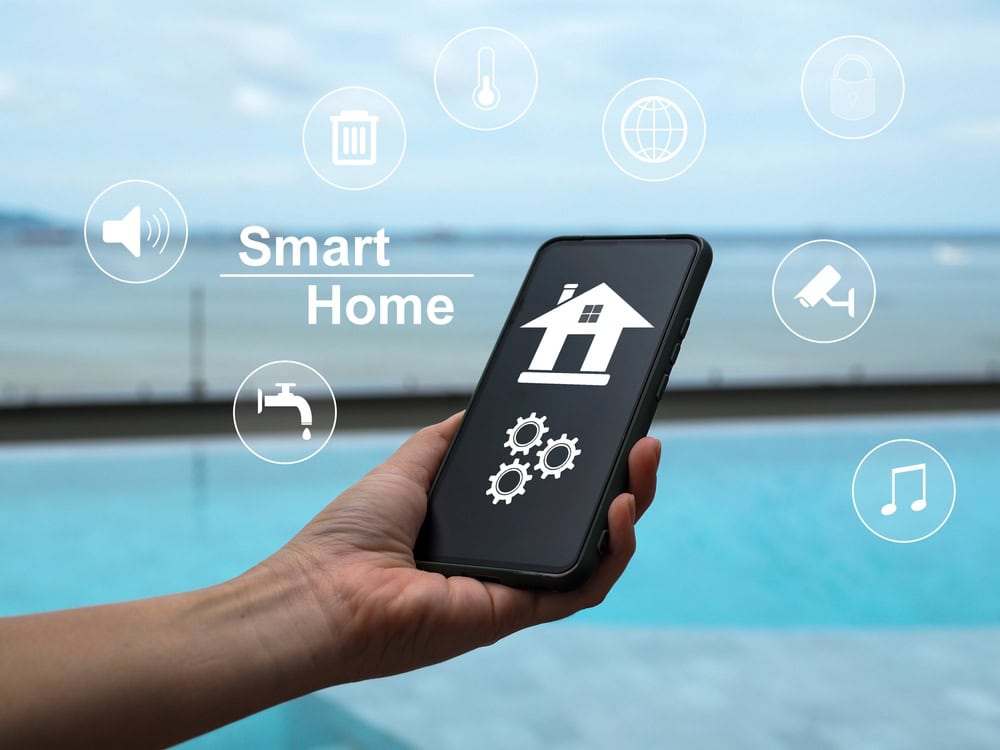
In recent years, smart home technology has transformed the way we interact with our living spaces. A smart home installation refers to the integration of various devices and systems that allow homeowners to control and monitor aspects of their homes remotely, typically via a smartphone or other internet-connected devices. This advancement has not only simplified daily tasks but also enhanced security, energy efficiency, and overall convenience.
As we delve into the world of smart homes, we will explore the benefits these systems offer, the components involved, and the essential steps needed for a successful installation. By understanding what constitutes a smart home, individuals can better evaluate how to tailor this technology to their specific needs and lifestyle.
Definition of Smart Home Installation
Smart home installation encompasses various technologies designed to automate and connect household devices. This can include everything from smart lighting that adjusts based on your schedule to security systems that can be monitored from anywhere in the world. These installations typically feature a central hub that connects and controls various devices, ensuring they communicate seamlessly with one another.
The goal of smart home technology is to enhance the user experience by making daily tasks more manageable and efficient. With the right setup, homeowners can control lighting, heating, security, and entertainment systems through voice commands or mobile applications, streamlining their lives significantly.
Benefits of Smart Home Systems
The benefits of smart home systems are multifaceted. Firstly, they offer increased convenience. Homeowners can control their environments from anywhere, whether they are at work or on vacation. This flexibility not only makes life easier but also contributes to energy savings through optimized energy management.
Secondly, smart home systems enhance security. With advanced features such as remote video monitoring, motion sensors, and smart locks, homeowners can keep an eye on their property in real time. These security measures can deter potential intruders and provide peace of mind.
Trends in Smart Home Technology
As technology continues to evolve, so do the trends in smart home installations. One significant trend is the growing emphasis on energy efficiency, with devices designed to reduce consumption and lower utility bills. Additionally, the Internet of Things (IoT) has expanded the range of devices that can be connected, including everything from kitchen appliances to garden irrigation systems.
Another trend is the rise of artificial intelligence in home automation. Devices that learn from user behaviors and preferences can automate tasks in ways that make them even more efficient. This not only enhances user experience but also allows for adaptive security measures that can respond to unusual activity.
Understanding Smart Home Components
Smart Lighting
Smart lighting systems allow users to control the brightness and color of their lights remotely. These systems can be programmed to turn on or off at specific times or adjusted based on the time of day. Additionally, smart bulbs can be integrated with voice-activated assistants for hands-free control.
Common features include dimming capabilities and the ability to create custom lighting scenes for different activities, such as reading or movie-watching. This flexibility not only enhances ambiance but can also contribute to energy savings by allowing users to turn off lights that aren’t needed.
Smart Security Systems
Security systems have seen significant advancements with smart technology. These systems can include smart cameras, doorbells, and locks that provide real-time alerts and remote monitoring capabilities. Homeowners can check the live feed from their security cameras, receive notifications about suspicious activities, and even unlock doors for guests remotely.
Moreover, many modern security systems can be integrated with other smart home devices to create comprehensive safety protocols. For instance, if a security camera detects motion, it can trigger indoor lights to turn on, deterring potential intruders.
Smart Thermostats
Smart thermostats represent a critical component of energy efficiency in smart homes. These devices learn from user behavior and preferences to optimize heating and cooling schedules, ultimately reducing energy consumption. Users can adjust their home’s temperature from anywhere using a smartphone app, making it easy to ensure a comfortable environment upon arrival.
Some advanced models also provide energy usage statistics, enabling homeowners to track their consumption patterns and make informed decisions about energy efficiency improvements.
Smart Entertainment Systems
Smart entertainment systems integrate televisions, speakers, and streaming devices for a seamless viewing experience. Homeowners can control multiple systems from a single device, stream content directly, and utilize voice commands for hands-free operation.
Moreover, many smart entertainment systems allow for multi-room audio setups, enabling users to enjoy music throughout their homes in sync, enhancing social gatherings and personal relaxation time.
Smart Appliances
Smart appliances, such as refrigerators, ovens, and washing machines, offer advanced features that improve convenience and efficiency. These devices can send notifications when maintenance is needed or when food is running low, and some can even be controlled remotely to start or stop processes.
For instance, a smart oven can be preheated remotely, ensuring that dinner is ready when you arrive home. This level of convenience can significantly enhance the cooking experience and improve energy efficiency by allowing users to operate appliances only when needed.
Assessing Your Needs for Smart Home Installation
Identifying Your Goals
Before embarking on a smart home installation, it is crucial to identify your specific goals. Are you looking to enhance security? Improve energy efficiency? Increase convenience in daily tasks? Establishing clear objectives will guide your decisions regarding which devices and systems to incorporate into your home.
It’s essential to consider which features will provide the most value to your lifestyle. For example, families might prioritize security systems, while tech enthusiasts might focus on integrating the latest in smart entertainment technology.
Evaluating Your Current Home Setup
Next, evaluate your existing home setup to understand how well it can accommodate smart devices. Consider factors such as Wi-Fi coverage, electrical outlets, and the layout of your home. In some cases, additional wiring or network upgrades may be necessary to ensure a smooth installation process.
Additionally, assessing the compatibility of existing devices with potential smart home systems is crucial. Some older devices may not integrate well with new technology, making them less effective in a smart home setup.
Budget Considerations
Budgeting for a smart home installation is essential. Costs can vary significantly based on the complexity of the setup and the types of devices selected. It is wise to create a budget that considers both the initial investment and ongoing expenses, such as subscription fees for cloud services or maintenance costs for devices.
Prioritizing essential components and gradually adding devices over time can help manage costs effectively. This phased approach allows homeowners to spread expenses while still enjoying the benefits of a smart home.
Planning Your Smart Home Installation
Choosing a Smart Home Ecosystem
Choosing the right smart home ecosystem is a critical step in the planning process. Popular ecosystems include Amazon Alexa, Google Home, and Apple HomeKit, each offering unique features and compatibilities. The chosen ecosystem will determine which devices can communicate effectively and how they can be controlled.
It’s essential to research the ecosystems that best align with your existing devices and future plans for expansion. A cohesive ecosystem ensures that all components work harmoniously, allowing for a more streamlined user experience.
Selecting the Right Devices
Researching Popular Brands
When selecting devices for your smart home, researching popular brands is essential. Leading brands like Philips Hue for lighting, Nest Thermostats for climate control, and Ring for security systems frequently receive high ratings for reliability and performance.
Investigating the features offered by various brands will help you make informed decisions that align with your goals and budget, ensuring you select devices that meet your needs.
Compatibility and Integration
Compatibility is a key factor when selecting smart devices. Not all devices work seamlessly together, so ensuring that your chosen products can integrate into your existing ecosystem is crucial. This may involve checking for compatibility with voice assistants or ensuring that devices can communicate over the same network.
Many manufacturers provide compatibility information on their websites, making it easier for consumers to choose devices that will work well together. Investing in products that promote interoperability can enhance the overall functionality of your smart home.
Executing the Smart Home Installation
Step-by-Step Installation Process
The installation process typically begins with setting up the central hub, which acts as the command center for all smart devices. Following this, individual devices are installed according to manufacturer instructions, ensuring proper placement and connectivity.
During installation, it is crucial to follow any guidelines provided in device manuals to avoid complications. This may include configuring devices to connect to Wi-Fi networks and integrating them into the chosen smart home ecosystem.
Testing Each Component
After installation, testing each component is essential to ensure functionality. This involves verifying that each device operates as intended, responds to commands, and communicates effectively with other devices within the ecosystem.
Addressing Common Installation Issues
Common issues during installation can include connectivity problems, incompatibility with existing devices, or software glitches. It is advisable to be prepared for these challenges and have a plan for troubleshooting them.
Familiarizing oneself with common solutions can save time and frustration. Many manufacturers provide online resources, FAQs, and customer support to help users navigate these issues effectively.
Post-Installation Setup and Configuration
Connecting Devices to Your Network
Once installation is complete, the next step is connecting all devices to your home network. This typically involves entering Wi-Fi credentials and ensuring that each device can access the internet for remote control and automation features.
For optimal performance, it may be necessary to position devices in locations with strong Wi-Fi signals. In some cases, Wi-Fi extenders may be helpful to maintain connectivity throughout larger homes.
Customizing Settings and Preferences
After connecting devices, customizing their settings and preferences is essential for creating a tailored user experience. This can include setting schedules for lighting and temperature, adjusting security alerts, and grouping devices for simultaneous control.
Many smart home applications offer user-friendly interfaces for managing these settings, allowing homeowners to fine-tune their systems according to their individual needs and lifestyles.
Creating Automation and Routines
One of the key features of smart home technology is the ability to create automation and routines. Users can set up triggers that activate certain devices based on specific conditions, such as turning on lights at sunset or adjusting the thermostat when the house is empty.
Implementing these automations enhances convenience and can significantly improve energy efficiency. Regularly reviewing and updating routines ensures that they continue to meet changing needs and preferences.
Maintaining Your Smart Home System
Regular Updates and Upgrades
Maintaining a smart home system involves regularly updating device firmware and applications to ensure optimal performance and security. Manufacturers often release updates that enhance functionality, fix bugs, and address vulnerabilities.
Staying informed about these updates and implementing them promptly can prolong the lifespan of devices and enhance their reliability.
Troubleshooting Common Problems
Even with routine maintenance, issues may arise. Troubleshooting common problems, such as connectivity issues or device malfunctions, is essential for keeping the system running smoothly. Many devices include troubleshooting guides in their manuals or offer online resources for assistance.
It is also helpful to familiarize oneself with basic troubleshooting steps, such as resetting devices or checking network connections, to resolve issues quickly.
When to Seek Professional Assistance
In some cases, it may be necessary to seek professional assistance. If troubleshooting efforts do not resolve persistent issues, or if there are concerns about device compatibility, consulting a professional can provide valuable insights and solutions.
Professional services can also assist with complex installations or upgrades, ensuring that devices are integrated properly and function as intended.
Conclusion: Embracing the Future of Smart Living
The Role of Smart Home Solutions
Smart home technology represents a significant shift in how we interact with our living environments. By embracing this technology, homeowners can enjoy increased convenience, enhanced security, and improved energy efficiency. With careful planning and execution, a smart home installation can transform daily living into a more connected and efficient experience.
Contact Information for Professional Consultation
For those seeking additional guidance or professional installation services, numerous companies specialize in smart home solutions. Consulting with experts like Briggs A/V Solutions can offer insights into the best devices and setups to meet specific needs, ensuring a smooth transition to a smart home.