Introduction to Whole Home Audio Installation
Whole home audio installation is a transformative approach to enhancing your entertainment experience throughout your living space. By integrating high-quality audio systems in various rooms, homeowners can enjoy a seamless auditory experience whether they are hosting a gathering, relaxing alone, or enjoying a cinematic experience in their home theater. This article delves into the components, planning, creative ideas, installation processes, maintenance, costs, and the numerous benefits of whole home audio systems.
Understanding Whole Home Audio Systems
Whole home audio systems consist of interconnected audio components that allow sound to be distributed across multiple rooms or zones. These systems can be controlled centrally or via smartphones and tablets, offering flexibility and convenience. Whether you prefer streaming music, listening to podcasts, or watching movies, these systems provide a cohesive sound experience tailored to your needs.
Notably, whole home audio systems encompass various technologies including wireless speakers, in-ceiling or in-wall installations, and traditional wired setups. Each option has its own advantages and can be configured according to individual preferences and architectural demands.
Benefits of Whole Home Audio Installation
The benefits of a whole home audio system extend beyond mere convenience. One of the primary advantages is the enhancement of lifestyle quality. Whether you are entertaining guests or enjoying a quiet evening, having music or sound throughout your home elevates the atmosphere. Moreover, these systems are designed to provide excellent sound quality, ensuring that every note is crisp and clear.
Key Components of a Whole Home Audio Installation
Audio Sources
Audio sources are the heart of any whole home audio system. They include devices such as networked media players, streaming services, and traditional music sources like CD players and turntables. In modern setups, streaming services like Spotify, Apple Music, and local media servers are the most common sources. Selecting high-quality audio sources is crucial, as they directly influence the sound quality and overall performance of the audio system.
Amplifiers
Amplifiers are essential for boosting the audio signal and ensuring that sound is delivered effectively throughout the home. Depending on the system configuration, you may require a multi-zone amplifier that can support multiple outputs simultaneously. It is important to choose an amplifier that matches your speaker types and the size of the spaces being served.
In some cases, built-in amplifiers within speakers can simplify setup, but external amplifiers typically provide more power and flexibility. A well-matched amplifier will enhance the clarity and depth of sound, making it a vital component of any whole home audio system.
Speakers
Speakers are perhaps the most noticeable part of a whole home audio system. They come in various forms, including in-wall, in-ceiling, and traditional bookshelf models. The choice of speaker type will depend on aesthetic preferences, room acoustics, and the desired sound experience. In-wall and in-ceiling speakers are particularly popular for whole home audio as they can be hidden from view, providing a clean and unobtrusive look.
It’s also critical to consider speaker placement. Proper positioning is essential for achieving optimal sound quality. The general rule is to have speakers at ear level when seated, but this can vary based on room layout and design. A good mix of speaker types and placements will create a balanced sound experience throughout the home.
Control Systems
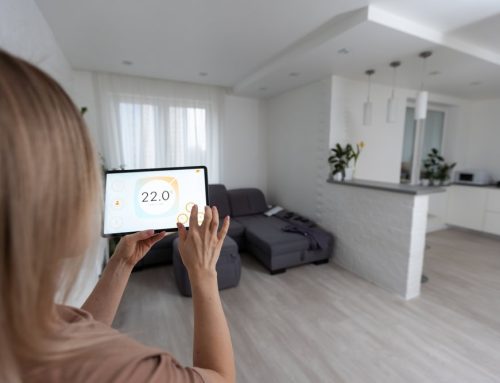
Control systems manage how audio is distributed throughout the home. These systems can range from simple remote controls to sophisticated smartphone applications that allow for custom zone control and audio settings. Many modern whole home audio systems utilize IP-based control systems, which provide seamless connectivity with other smart home devices.
Having a reliable control system is crucial for ease of use. Homeowners should consider how they prefer to interact with their audio system and select a control option that meets those needs, whether that be through touch panels, smartphone apps, or voice commands.
Planning Your Whole Home Audio Installation
Assessing Your Space
Before diving into installation, it’s essential to assess the space where the audio system will be placed. Consider factors such as room size, shape, and existing furnishings that may affect sound quality. For instance, rooms with high ceilings may require different speaker configurations compared to cozy, small spaces.
Choosing the Right Equipment
Selecting the right equipment is crucial for a successful whole home audio installation. Research different brands and models to find options that fit your budget and requirements. It’s also beneficial to consider compatibility with existing devices, especially if you plan to integrate with smart home systems.
Purchasing from reputable dealers can provide additional support and product knowledge that will be invaluable during the installation process. Additionally, consider future upgrades; opting for modular systems can allow for easier expansions or enhancements as your needs evolve.
Wiring and Connectivity Considerations
Wiring is a fundamental consideration during installation. Depending on the architecture of your home, you may need to run special wiring to support high-quality audio signals, particularly for wired systems. Consult with professionals to determine the best wiring routes that minimize disruption to your home while ensuring optimal sound performance.
Connectivity is equally important. Many modern systems allow for wireless audio streaming; however, wired connections often offer superior sound quality. Evaluate your needs and preferences when discussing wiring and connectivity options with your installer.
Creative Whole Home Audio Installation Ideas
Multi-Room Audio Zones
Creating multi-room audio zones is a popular concept that allows different areas of the home to play different audio sources simultaneously. For example, you might enjoy classical music in the kitchen while your kids listen to pop music in their playroom. This capability is not only convenient but also enhances the overall living experience by catering to individual preferences.
When planning multi-room audio zones, consider how the sound will travel through walls and ceilings. Quality speakers and proper placement are vital for ensuring that sound distribution is even and appealing in each zone. Using a control system that allows easy switching between zones will further enhance usability.
Outdoor Audio Solutions
Extending audio capabilities outdoors is an excellent way to enhance gatherings and leisure time in the garden or patio. Outdoor audio solutions often include weather-resistant speakers designed to withstand the elements while still delivering high-quality sound. There are even options for in-ground speakers that blend beautifully into landscaping.
When installing outdoor audio, consider the layout of your yard and where sound will be most effective. Positioning speakers towards gathering areas while minimizing sound spill into neighboring properties is key to a successful outdoor audio setup.
Integration with Smart Home Systems
Integrating your whole home audio system with existing smart home technologies can elevate your audio experience. Many systems now allow connection with smart assistants like Amazon Alexa or Google Assistant, enabling voice control for music selection and volume adjustment.
Integration with smart lighting systems can also enhance ambiance, allowing you to create mood lighting that complements the audio experience. The possibilities are vast, and exploring smart home integration can lead to a more cohesive and convenient way to enjoy audio throughout your home.
Home Theater Integration
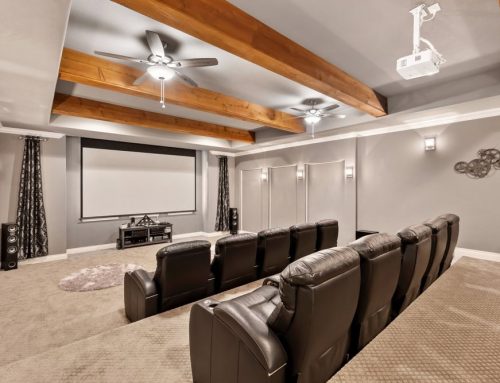
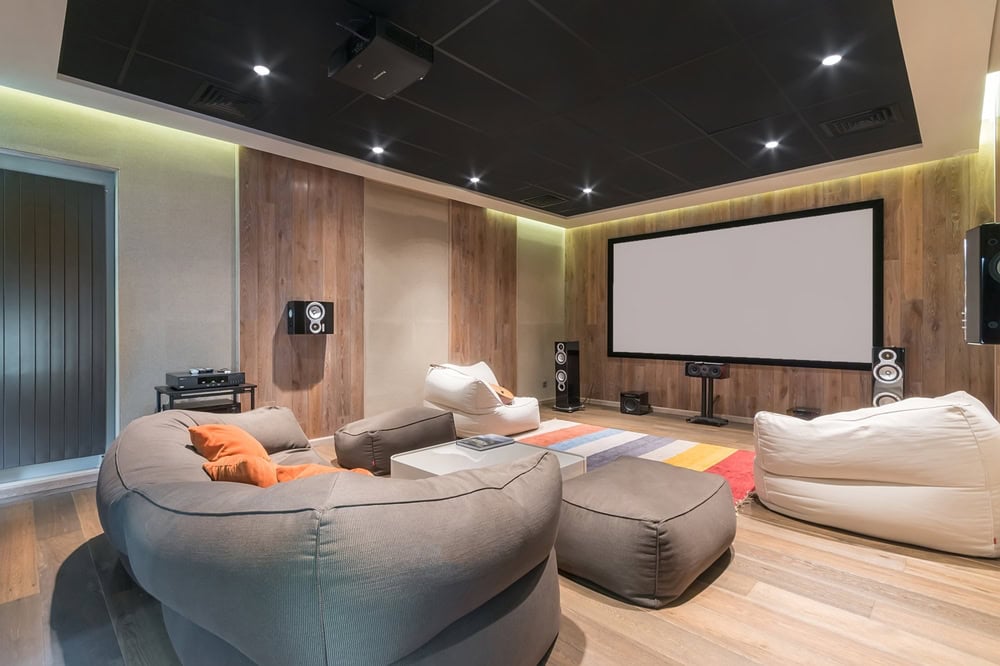
Integrating your whole home audio system with a home theater setup can significantly enhance movie-watching experiences. Utilizing surround sound speakers and subwoofers can create an immersive audio environment that rivals commercial theaters. The key here is to ensure compatibility between the audio and visual components of your home theater.
Speaker placement is particularly critical in home theaters, as positioning can affect the surround sound experience. Working with an audio professional can help ensure that you achieve the best possible sound quality, tailored specifically for your home theater layout.
Designing Your Whole Home Audio System
Choosing the Right Speaker Placement
The placement of speakers is one of the most crucial aspects of designing a whole home audio system. Proper placement can drastically affect sound quality and listening experience. In a multi-room setup, consider placing speakers at ear level and equidistant from listening areas for balanced sound delivery.
In living spaces, avoid placing speakers too close to walls or corners, as this can lead to unwanted reflections and muddied sound. Instead, aim for a more open space where sound can radiate freely. For in-ceiling or in-wall speakers, ensure they are angled appropriately for optimal sound dispersion.
In-Wall vs. Standalone Speakers
When designing your audio system, one of the decisions to make is whether to use in-wall or standalone speakers. In-wall speakers provide a clean, professional look as they are hidden behind the wall, which can be ideal for modern, minimalist designs. However, they can be more complicated to install and may not offer the same depth of sound as larger, standalone speakers.
Acoustic Treatment for Optimal Sound
Acoustic treatment is an essential yet often overlooked factor in achieving high-quality sound in your home. Acoustic panels, bass traps, and diffusers can help mitigate sound reflections and echoes, ensuring clarity and balance in your audio experience. This is especially important in larger rooms where sound can bounce around and become distorted.
Incorporating acoustic treatment into your design can significantly enhance the listening experience, making music and movie soundtracks more enjoyable. Consulting with an audio expert can help identify the best treatment options for your specific space.
Installation Process of Whole Home Audio Systems
Hiring Professional Installers
While some homeowners may opt for a DIY approach, hiring professional installers can save time and ensure a high-quality setup. Professionals have the experience and tools necessary to navigate the complexities of wiring, speaker placement, and system integration. They can also provide valuable advice on equipment selection based on your space and needs.
DIY Installation: Pros and Cons
On the other hand, a DIY installation can be rewarding and cost-effective if you have some technical skills. This approach allows for complete customization of your audio system, and many resources are available online to guide you through the process. However, it is essential to be realistic about your abilities; incorrect installation can lead to poor sound quality or even damage to equipment.
Ensuring Quality Control
Once the installation is complete, conducting thorough quality control checks is crucial. This involves testing each audio zone to ensure sound clarity, volume balance, and proper functioning of all components. During this phase, it is also important to calibrate the system settings to suit the acoustics of each room.
Take time to walk through the spaces where the audio is installed, listening from various locations to ensure an optimal experience. If any issues arise, addressing them immediately will help maintain the quality of your whole home audio system.
Maintenance and Troubleshooting
Common Issues and Solutions
Common problems in whole home audio systems can include connectivity issues, sound distortion, or components not responding to commands. Many of these issues can be resolved with simple troubleshooting steps, such as resetting devices or checking for software updates.
If problems persist, consulting with professionals can provide insights into more complex issues that may require technical expertise. Maintaining clear communication with your audio system installer can also facilitate easier troubleshooting in the future.
Cost Considerations for Whole Home Audio Installation
Budgeting for Equipment
The cost of a whole home audio installation can vary significantly based on the equipment selected. High-quality speakers, amplifiers, and control systems can range from affordable to premium pricing. Establishing a clear budget upfront will help narrow down options and guide purchasing decisions.
Consider what features are essential versus those that are nice to have. It’s important to prioritize quality over quantity; investing in fewer high-quality components will yield better sound performance than purchasing numerous low-quality items.
Installation Costs
Installation costs can also vary widely depending on the complexity of the system and whether you hire professionals. Simple setups may incur lower labor costs, while complex installations that involve extensive wiring and specialized knowledge may result in higher fees.
When budgeting for installation, obtain multiple quotes from different service providers to ensure you get a fair price. Remember to factor in any potential additional costs, such as equipment delivery or custom fabrication, that may arise during the process.
Long-Term Value of Whole Home Audio Systems
Investing in a whole home audio system can yield long-term value for homeowners. A well-designed and installed audio system can enhance property value, making your home more appealing to potential buyers. Moreover, the enjoyment and convenience provided by these systems can enhance daily living experiences, making them worth the investment.
Conclusion
Recap of Whole Home Audio Installation Benefits
Whole home audio installation offers numerous benefits, including enhanced lifestyle quality, convenience, and increased property value. By integrating carefully selected components, planning thoughtfully, and considering creative ideas, homeowners can create a personalized audio experience that elevates their entertainment options.
Whether you choose to hire professionals or take on a DIY project, ensuring proper design and installation will yield optimal results. Regular maintenance and understanding potential issues will further enhance the longevity and joy of your audio system. Contact us at Briggs AV Solutions for more information when you’re ready to get started with your whole home audio installation!