Introduction to AV Systems
Audio-Visual (AV) systems have become an integral part of both personal and professional environments. From enhancing the experience of watching movies at home to facilitating remote communication in corporate settings, AV systems provide the necessary technology to deliver high-quality audio and visual experiences. This article aims to explore the various aspects of AV systems, including their types, components, installation processes, and future trends, ensuring a comprehensive understanding of this crucial technology.
What is an AV System?
An AV system refers to a combination of audio and visual equipment designed to work together to provide synchronized sound and video content. These systems can vary in complexity from simple setups, such as a home theater, to elaborate installations used in large venues like auditoriums or corporate boardrooms. The goal of an AV system is to enhance communication, entertainment, and overall user experience by delivering content in a captivating and effective manner.
Importance of AV Systems in Modern Environments
In today’s fast-paced world, AV systems play a critical role in various settings. They are essential tools for businesses that rely on presentations, video conferencing, and multimedia displays for effective communication. In educational institutions, AV systems enhance learning by facilitating interactive teaching methods. Furthermore, in entertainment venues, such systems create immersive experiences for audiences, making them a cornerstone of modern consumer engagement. The integration of AV systems has redefined how we consume content, communicate, and interact with our environment.
Types of AV Systems
Home Theater Systems
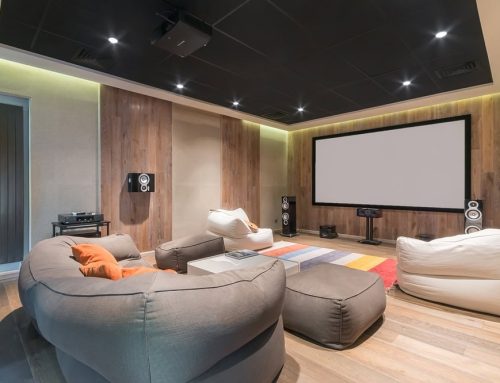
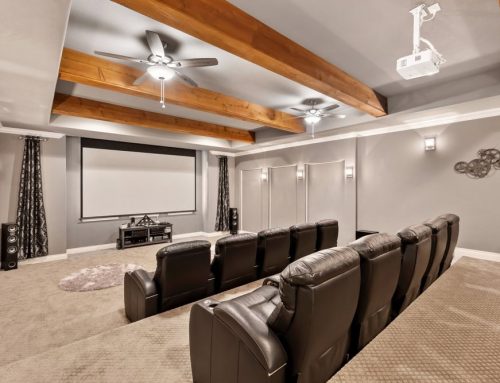
Home theater systems are designed to replicate the cinematic experience in a residential setting. These systems typically include a large screen or projector, surround sound speakers, and media players. Home theater installations can range from basic setups with a television and soundbar to sophisticated systems featuring multiple speakers, high-definition projectors, and immersive audio formats like Dolby Atmos. The objective is to create a comfortable viewing and listening environment that rivals commercial cinemas.
Commercial AV Systems
Commercial AV systems are tailored for businesses or public venues, focusing on professional audio and visual presentations. These systems are commonly used in conference rooms, training facilities, and auditoriums. They often include projectors, large-format displays, professional audio equipment, and advanced control systems that allow for seamless integration with other technologies. The effectiveness of commercial AV systems enhances productivity and communication within organizations.
Integrated AV Solutions
Integrated AV solutions combine various AV technologies into a single cohesive system, allowing for simplified operation and enhanced functionality. These systems are ideal for venues that require extensive setups, such as hotels, convention centers, and stadiums. Integration involves the use of centralized control systems that manage audio, video, lighting, and environmental settings from a single interface. This streamlining facilitates easier control and improves the overall user experience.
Video Conferencing Systems
With the rise of remote work and virtual collaboration, video conferencing systems have gained prominence. These systems typically include high-definition cameras, microphones, and speakers that allow for real-time communication over the internet. Advanced video conferencing solutions also incorporate screen sharing, digital whiteboards, and collaboration tools, enabling teams to work together effectively, regardless of their physical locations. The importance of reliable video conferencing cannot be overstated in today’s globalized business environment.
Key Components of AV Systems
Audio Equipment
Audio equipment is vital to any AV system, as it determines the quality of sound produced. Key components include speakers, amplifiers, microphones, and mixers. Speakers come in various forms, from small bookshelf models to large floor-standing units, and can be configured for various listening environments. Microphones capture sound, whether from a person speaking or ambient noise, while mixers allow for the balancing and adjustment of multiple audio inputs. The selection of audio equipment plays a crucial role in ensuring clarity and fidelity in sound reproduction.
Video Equipment
Video equipment encompasses displays, projectors, cameras, and video processors. Displays can range from flat-panel TVs to large projection screens, while projectors provide a flexible solution for larger audiences. Cameras are particularly important in setups requiring video conferencing or live streaming, as they capture high-quality visuals for remote participants. Video processors enhance the quality of images by managing resolutions and integrating multiple video sources seamlessly. Together, these components work to deliver a cohesive visual experience.
Control Systems
Control systems serve as the brain of an AV setup, allowing users to manage various components from a single interface. These systems can range from simple remote controls to complex software applications that run on tablets or computers. Users can control audio levels, switch between video sources, and adjust lighting settings, enhancing convenience and user experience. The functionality of a control system can significantly influence the overall effectiveness of an AV installation.
Cabling and Connectivity
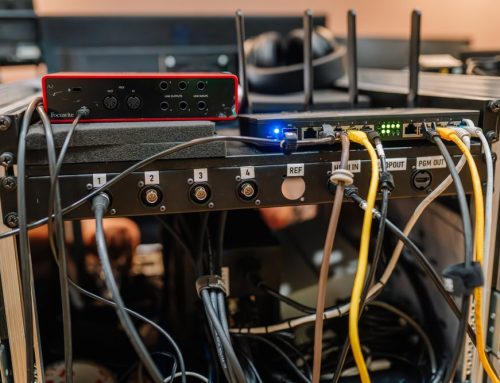
Proper cabling and connectivity ensure seamless communication between all AV components. This includes various types of cables such as HDMI, VGA, and audio cables, which are essential for transmitting video and sound signals. Additionally, wireless technologies like Bluetooth and Wi-Fi are increasingly used to enhance connectivity options, reducing clutter and providing more flexible setups. Effective cabling and connectivity strategies are crucial in preventing signal interference and ensuring high-quality performance.
AV Installation Process
Initial Consultation and Needs Assessment
The AV installation process begins with an initial consultation, where the installer meets with the client to assess their needs and requirements. This stage is critical as it helps to identify the specific goals, budget, and potential challenges of the project. A thorough understanding of the client’s vision enables the installer to propose suitable solutions and outline the necessary equipment and components.
System Design and Planning
Once the needs assessment is complete, the next step involves system design and planning. This involves creating a blueprint for the installation, detailing the placement of equipment, cabling pathways, and integration points. Designers must consider factors like room acoustics, visual sightlines, and user interaction to optimize the system’s performance. Collaborating with architects or interior designers can also ensure the AV system blends seamlessly with the environment.
Site Preparation
Site preparation involves preparing the physical space for the installation. This may require structural modifications, such as mounting brackets for projectors or speakers, as well as ensuring power outlets are accessible. Proper site preparation is essential to mitigate potential issues during installation and ensure the system functions as intended. Additionally, it involves planning for cable management to maintain a clean and organized appearance.
Equipment Installation
The installation phase sees the physical setup of all equipment according to the designed plan. Technicians carefully install audio and video components, ensuring they are securely placed and configured correctly. This phase may also involve running cables, connecting devices, and integrating control systems. Attention to detail during installation is crucial, as it affects the overall functionality and reliability of the system.
Calibration and Testing
After installation, the system undergoes calibration and testing to ensure optimal performance. This process involves adjusting audio levels, fine-tuning video settings, and verifying all components function correctly. Technicians will conduct thorough testing to identify and resolve any issues, ensuring the system meets the client’s requirements and expectations. A well-calibrated system enhances user experience and provides high-quality sound and visuals.
Training and Support
The final step in the AV installation process is training and support. Clients are provided with instructions on how to operate the system effectively, which may include tutorials on using control interfaces and troubleshooting common issues. Ongoing support is also essential, as it helps clients address any challenges they may encounter post-installation. Providing excellent customer service fosters long-term relationships and client satisfaction.
Choosing the Right AV Installation Partner
Experience and Expertise
When selecting an AV installation partner, it is vital to consider their experience and expertise in the field. A reputable installer should have a proven track record of successful projects and a deep understanding of various AV technologies. They should be familiar with the latest trends and innovations in the industry, demonstrating their capability to provide cutting-edge solutions that meet clients’ needs. Evaluating previous work and asking for case studies or references can provide valuable insights into the installer’s qualifications.
Customer Testimonials and Case Studies
Customer testimonials and case studies serve as crucial indicators of an installation partner’s reliability and quality of service. Positive feedback from previous clients highlights the installer’s ability to deliver satisfactory results and maintain strong customer relationships. Case studies can showcase the range of projects the installer has completed, detailing the challenges faced and how they were overcome. This information can help potential clients make informed decisions when choosing an AV installation partner.
Post-Installation Support and Maintenance
Post-installation support and maintenance are essential factors to consider when selecting an AV installer. A comprehensive service plan should encompass routine maintenance checks, troubleshooting assistance, and timely responses to client inquiries. This ongoing support ensures that the AV system continues to operate smoothly and efficiently over time. A reliable installer will establish a partnership with clients that extends beyond installation, providing peace of mind and assurance of quality service.
Common Challenges in AV Installation
Space Limitations
One of the most significant challenges in AV installation is dealing with space limitations. In many cases, the venue may not have the ideal dimensions or layout for the intended AV system, which can hinder the installation process. Technicians must navigate obstacles such as low ceilings, awkward layouts, or existing structures that could interfere with equipment placement. Creative solutions, such as using compact equipment or innovative mounting techniques, may be necessary to overcome these challenges.
Integration with Existing Systems
Integrating new AV systems with existing technologies can pose challenges, particularly in environments where older systems are in place. Compatibility issues may arise, requiring additional adjustments or even upgrades to current equipment. Installers must possess the knowledge and expertise to ensure that new components work harmoniously with legacy systems. Careful planning and thorough testing are essential to achieving successful integration and mitigating any potential disruptions.
Technical Issues and Troubleshooting
Technical issues can arise at any stage of the AV installation process, posing challenges for both installers and clients. Problems such as signal interference, equipment malfunctions, or software glitches may require timely troubleshooting to resolve. Experienced installers should have a systematic approach to diagnosing and addressing these issues, minimizing downtime and ensuring optimal system performance. Providing clients with thorough training can also empower them to handle minor technical problems independently.
Future Trends in AV Technology
Emerging Technologies in AV Systems
The AV industry is continually evolving, with emerging technologies shaping the future of audio-visual solutions. Innovations such as 4K and even 8K resolution displays, virtual and augmented reality, and immersive audio formats are redefining user experiences. As technology advances, AV systems will become more sophisticated, offering enhanced features and capabilities that cater to diverse needs. Staying informed about these trends is essential for both installers and clients, ensuring that systems remain relevant and effective.
Impact of Automation and Smart Technology
Automation and smart technology have begun to play a significant role in AV systems, enhancing user convenience and functionality. Smart home integration allows users to control their AV systems through voice commands or mobile apps, streamlining operation. Furthermore, automation can facilitate the scheduling of presentations, adjust lighting settings, or manage room acoustics, optimizing the environment for various activities. As these technologies continue to advance, they will become essential components of modern AV installations.
Sustainability in AV Solutions
As environmental concerns grow, sustainability has emerged as a key consideration in AV system design and installation. Many manufacturers are now focusing on energy-efficient equipment and sustainable materials, reducing the ecological impact of AV systems. Additionally, incorporating smart energy management features can help optimize power consumption, contributing to greener operations. Clients who prioritize sustainability in their AV solutions can benefit from reduced operational costs and align their practices with broader environmental goals.
Conclusion
Why Choose Briggs AV Solutions for Your AV Installation Needs
Briggs AV Solutions stands out as a premier choice for all audio-visual installation needs. Our experienced team offers a comprehensive range of services, from initial consultation to post-installation support. We emphasize customer satisfaction and ensure that our solutions are tailored to meet the unique requirements of each client. With a commitment to quality and innovation, we leverage the latest technologies to deliver exceptional AV experiences.
Contact Information for Further Inquiries
If you are interested in exploring AV solutions for your home or business, don’t hesitate to reach out to Briggs AV Solutions. Our team is ready to assist you in designing and implementing a system that meets your needs and exceeds your expectations. Contact us today for a consultation and take the first step toward transforming your audio-visual experience.