


Introduction
In the age of digital entertainment, the allure of home theatres has captivated many homeowners. Whether it’s the thrill of watching the latest blockbuster or enjoying a cozy movie night, choosing the right home theatre setup is crucial for enhancing the viewing experience. This article delves into the two primary options available for home theatre enthusiasts: dedicated rooms and media rooms. We will explore their characteristics, advantages, and considerations, allowing readers to make an informed decision based on their unique needs.
Understanding Dedicated Rooms
Definition and Characteristics of a Dedicated Room
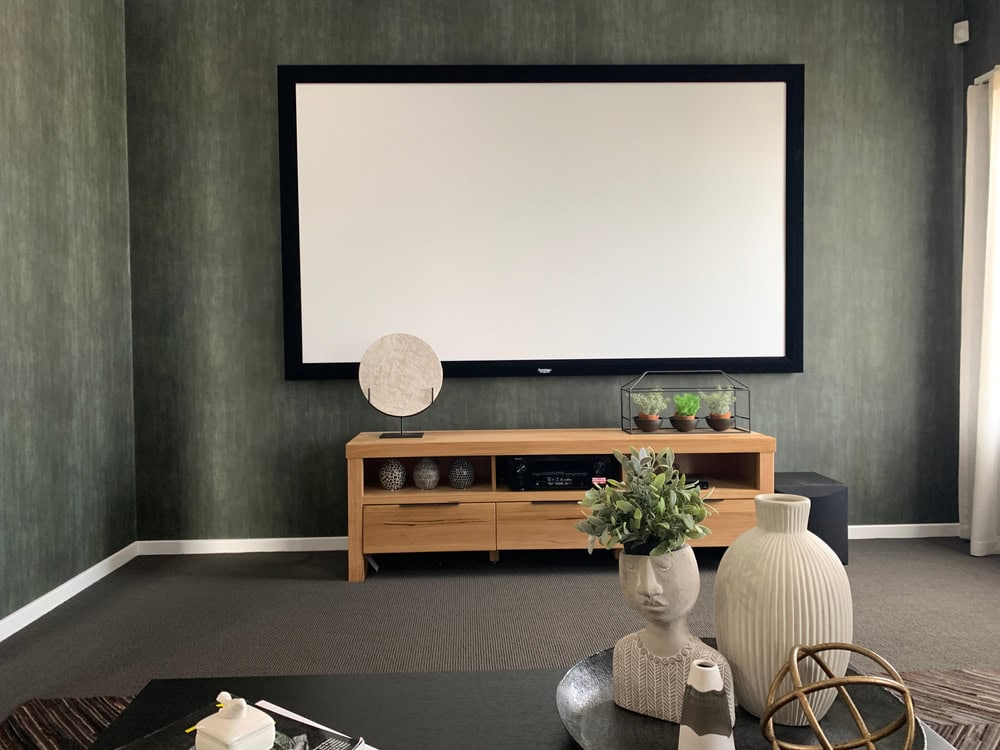
A dedicated home theatre room is a space specifically designed for the purpose of enjoying movies, shows, and gaming without distractions. These rooms are isolated from the rest of the home, often featuring soundproofing, specialized lighting, and optimized seating arrangements. The key characteristics of dedicated rooms include controlled acoustics, high-end audiovisual equipment, and a darkened environment that replicates the traditional cinema experience.
Typically, dedicated rooms are constructed in basements, attics, or specially designed extensions of a home. They provide homeowners with a blank canvas to customize every aspect of their viewing environment, from wall color to screen size and seating layout. This level of customization allows for a more immersive experience, as all elements work in harmony to enhance sound and picture quality.
Advantages of a Dedicated Room
One of the primary advantages of a dedicated room is the unparalleled audio-visual performance. With soundproofing measures in place and the ability to tailor speaker placements, these rooms deliver rich, immersive sound that can make viewers feel as though they are part of the action. Furthermore, dedicated rooms can accommodate larger screens and high-definition projectors, providing a cinematic experience that is hard to replicate in a media room.
Another significant advantage is the absence of distractions. Dedicated rooms isolate the movie-watching experience, allowing viewers to focus entirely on the film or show without the interruptions that may arise in more common living areas. Additionally, dedicated spaces can be outfitted with specialized seating and systems to enhance comfort and enjoyment, making them perfect for extended movie marathons or gaming sessions.
Considerations for Creating a Dedicated Room
While dedicated rooms offer many advantages, there are important considerations to keep in mind. First, potential homeowners must evaluate the available space in their homes. Dedicated rooms require ample square footage to accommodate large screens, speakers, and comfortable seating while also allowing for optimal viewing angles. Moreover, soundproofing and acoustic treatments can add to the cost and complexity of the project.
Another consideration is the financial investment. The cost of building a dedicated home theatre can vary significantly based on materials, equipment, and design choices. Homeowners should budget for high-quality audiovisual components, soundproofing materials, and seating to ensure a truly immersive experience. Planning and thorough research are essential to make the most of the investment.
Design Elements of a Dedicated Home Theatre
Key design elements of a dedicated home theatre include proper lighting, seating arrangements, and equipment layout. Lighting should be carefully controlled, often utilizing dimmable lights or ambient lighting to enhance the viewing experience without causing glare on the screen. The seating should be arranged at optimal distances from the screen, with tiered seating often used to ensure that every viewer has a clear line of sight.
Furthermore, dedicated rooms often incorporate acoustic treatments such as wall panels, bass traps, and ceiling clouds to minimize sound reflections and enhance audio clarity. The choice of materials, colors, and finishes for the walls and floors also plays a crucial role in achieving a desired aesthetic while ensuring functionality. All these elements together contribute to a truly cinematic atmosphere.
Understanding Media Rooms
Definition and Characteristics of a Media Room
A media room, in contrast to a dedicated room, typically serves multiple purposes within a home. Rather than being solely used for watching films and shows, media rooms are designed to be multi-functional spaces where families can gather for various activities, including gaming, socializing, or general entertainment. These rooms are often integrated into the home’s existing living spaces, such as a family room or basement, allowing for greater flexibility in use.
Media rooms often feature a more casual and inviting setup, which may include a comfortable sofa, coffee tables, and shelves for gaming consoles or DVDs. While they can still house high-quality audio-visual equipment, the focus is less on achieving complete isolation and more on creating a relaxed environment for family and friends to enjoy together.
Advantages of a Media Room
The primary advantage of a media room is versatility. With the ability to serve as a living room, gaming area, or social space, media rooms allow homeowners greater flexibility in how they use their space. Families can enjoy movie nights while still having the option for other activities, making it an excellent choice for those who want a multi-purpose environment.
Additionally, media rooms often entail lower costs than dedicated rooms. Because they do not require extensive soundproofing or specialized equipment, homeowners can typically create a functional media room with more modest budgets. This affordability, coupled with the ease of integration into existing living spaces, makes media rooms an attractive option for many households.
Considerations for Creating a Media Room
When designing a media room, potential homeowners should consider the layout and existing furniture. The arrangement should allow for comfortable viewing angles, and existing furnishings can be utilized to keep costs down. It’s important to choose a location with minimal glare from windows and to have adequate lighting options to accommodate various activities.
Moreover, while media rooms may not require the same intensive technical specifications as dedicated rooms, homeowners should still invest in quality equipment to ensure a satisfactory viewing experience. High-definition TVs, soundbars, and comfortable seating should be prioritized to foster an inviting atmosphere that encourages family gatherings and entertainment.
Design Elements of a Media Room
In a media room, design elements can be more relaxed and accommodating. Soft furnishings, such as plush sofas and recliners, can enhance comfort during movie nights. Ambient lighting, such as floor lamps or wall sconces, can create a warm and welcoming atmosphere while still allowing for enough illumination to navigate the space safely.
Wall decorations and design accents should reflect the owner’s personal tastes, which can range from movie posters to decorative shelving displaying memorabilia. The technology layout should focus on accessibility, ensuring that all devices are easily reachable while keeping the room looking neat and organized. A well-designed media room invites relaxation and enjoyment in a way that dedicated spaces may not always achieve.
Comparative Analysis: Dedicated Room vs. Media Room
Space Requirements
Space requirements often dictate the suitability of each type of home theatre setup. Dedicated rooms necessitate a significant amount of square footage to accommodate specialized equipment and optimal seating arrangements. Homeowners with limited space may find it difficult to create an effective dedicated home theatre without making substantial alterations to their home.
On the other hand, media rooms can adapt to various sizes and layouts, making them more accessible for families with less space or those looking to incorporate a theatre setup into existing living areas. This versatility allows homeowners to create enjoyable multimedia experiences without the need for extensive remodeling.
Cost Considerations
Cost is a major factor when comparing dedicated rooms and media rooms. Establishing a dedicated home theatre typically requires a larger financial commitment, as homeowners must invest in soundproofing, high-end audio-visual equipment, and specialized seating. These costs can accumulate quickly, making it a significant investment.
Conversely, media rooms can often be created at a lower cost due to the flexibility in design and the ability to use existing furniture and technology. This affordability allows more homeowners to enjoy a quality multimedia experience without the hefty price tag associated with dedicated spaces.
Flexibility and Multi-Purpose Use
Flexibility is one of the most pronounced differences between dedicated rooms and media rooms. Dedicated rooms are singular in their purpose, focusing solely on the cinematic experience. While this specialization enhances performance, it also limits the versatility of the space, as it cannot easily be repurposed for other activities.
In contrast, media rooms provide the opportunity for multi-purpose usage. They can serve as casual family gathering spaces, gaming areas, or places for social activities. This adaptability makes media rooms an attractive proposition for families who wish to maximize their living spaces without sacrificing comfort or entertainment quality.
Acoustic Performance
Dedicated rooms excel in acoustic performance due to their specific design elements aimed at minimizing sound interference. With soundproofing materials and optimized speaker placements, these rooms deliver an audio experience that enhances movie-watching significantly. Homeowners can enjoy rich soundscapes that pull them into the film, creating a true theatre experience at home.
Visual Experience
The visual experience in dedicated rooms is often superior, with larger screen options available and projectors that can create true cinematic quality. The controlled lighting and optimized screen placements contribute to an overall better viewing experience, ideal for movie enthusiasts.
Media rooms, while capable of providing enjoyable visuals, may not match the fidelity and immersive qualities of dedicated setups. Most media rooms utilize large TVs that, while capable of excellent picture quality, may lack the expansive feel of a projector screen. Therefore, for viewers prioritizing visual immersion, dedicated rooms may be the better choice.
Choosing the Right Home Theatre Setup for Your Needs
Assessing Your Space
Before deciding on a home theatre setup, homeowners should carefully assess their available space. Determining whether the space is suitable for a dedicated room or a media room is crucial. A dedicated room requires ample square footage, sound isolation, and the ability to control lighting. On the other hand, media rooms can adapt to various environments, making it easier to fit within existing living areas.
Consideration should also be given to potential layout options. For dedicated rooms, homeowners should envision how to utilize the space for optimal viewing angles and sound distribution. For media rooms, envisioning furniture placement and ensuring accessibility to technology are key components of the planning process.
Understanding Your Budget
Budget constraints are a common consideration in the decision-making process. Homeowners should establish a clear budget before pursuing either type of home theatre. Dedicated rooms often require a higher investment, as they involve specialized construction, soundproofing, and high-quality audiovisual equipment. Careful planning and research can help homeowners avoid overspending and ensure they get the best value for their investment.
Media rooms, while potentially more affordable, still require thoughtful budgeting. Homeowners should consider the cost of technology, furnishings, and any necessary renovations to existing spaces. Setting a realistic budget will allow for a well-planned and enjoyable multimedia experience without financial strain.
Evaluating Your Lifestyle and Viewing Habits
Finally, evaluating personal lifestyle and viewing habits is essential when choosing between a dedicated room and a media room. Homeowners who prioritize a high-end, immersive cinema experience might lean toward dedicated rooms, allowing for enhanced audio-visual performance and isolation. This choice is especially appealing for film enthusiasts or avid gamers.
Conversely, homeowners who seek versatility and a casual atmosphere may find media rooms better suited to their lifestyles. Media rooms encourage family gatherings and socializing, fitting seamlessly within the daily life of busy households. Ultimately, understanding and prioritizing individual preferences will lead to a satisfying home theatre setup.
Briggs A/V Solutions: Expert Guidance for Home Theatre Setups
Our Services for Dedicated Rooms
At Briggs A/V Solutions, we specialize in designing and installing dedicated home theatre rooms tailored to your unique specifications. Our team of experts will work closely with you to understand your vision and requirements, ensuring a personalized experience that brings your dream home theatre to life. From acoustic treatments to high-end projector installation, we provide comprehensive solutions for your dedicated space.
Our Services for Media Rooms
We also offer extensive services for media rooms, focusing on creating inviting spaces that serve multiple functions. Our design team will guide you through the selection of equipment, furniture, and layout to create a seamless multimedia environment. Whether it’s integrating gaming consoles or optimizing the sound setup, our goal is to enhance your family’s entertainment experience in a flexible and stylish way.
Conclusion
Final Thoughts on Home Theatre Setup Choices
Choosing between a dedicated room and a media room ultimately depends on your specific needs, available space, and budget. Both setups offer distinct advantages, allowing homeowners to create enjoyable multimedia experiences tailored to their lifestyles. Understanding the characteristics, costs, and design elements of each type of space will help guide your decision.
Contact Us for Customized Solutions
If you’re considering a home theatre setup, whether a dedicated room or a media room, contact Briggs A/V Solutions for expert guidance. Our team is ready to help you design a space that meets your vision and enhances your entertainment experience.