


Introduction
The concept of whole home audio installation refers to a sophisticated audio system that allows sound to be distributed throughout various rooms in a residence. This technology enables homeowners to experience high-quality sound in every corner of their home, enhancing the enjoyment of music, movies, and other audio experiences. As we delve into the world of whole home audio systems, it becomes clear that careful consideration is necessary before making such an investment. This article aims to provide comprehensive insights into the various factors that should be taken into account, from assessing personal needs to understanding budget constraints, technology compatibility, and installation options.
With the growing emphasis on sound quality in home environments, it is essential to acknowledge how integral audio systems are to our daily lives. Whether it’s playing background music during dinner parties or enjoying an immersive movie-watching experience, the quality of sound significantly impacts our enjoyment. Therefore, understanding the nuances of whole home audio installation can empower homeowners to make informed decisions that align with their preferences and lifestyle.
Assessing Your Needs
Understanding Your Listening Habits
The first step in considering a whole home audio installation is to evaluate your listening habits. Do you primarily listen to music, or do you also enjoy watching movies with high-quality sound? Understanding how you use audio in your home will help determine the type of system that best fits your needs. For example, if you are an audiophile with a penchant for music, investing in high-fidelity speakers and a superior sound system may be worthwhile. On the other hand, if your focus is mainly on casual listening or background music, a more basic setup may suffice.
Additionally, consider who else will be using the audio system. Families with children may want to prioritize ease of use and the ability to control sound levels in different rooms. By gathering insights into everyone’s preferences, you can create a system that caters to all members of the household.
Identifying Audio Sources
Another crucial aspect is the types of devices you’ll want to connect to the system, including smartphones, tablets, or computers. Ensuring compatibility with a wide range of devices will enhance the versatility of your installation, allowing for seamless integration across your home.
Defining the Scope of Installation
After understanding your listening habits and audio sources, it’s time to define the scope of your installation. Will you be outfitting the entire home, or are there specific rooms where sound is a priority? Establishing the scope allows you to identify which areas need attention and helps tailor the audio experience to your lifestyle. For instance, if you frequently entertain guests, investing in a robust sound system for your living and dining areas may be essential.
Moreover, consider the layout of your home. Open-concept designs may benefit from fewer but strategically placed speakers, while homes with more closed-off areas might require a more extensive setup to ensure sound quality remains consistent in all rooms.
Budget Considerations
Evaluating Initial Investment
Budgeting for a whole home audio installation is a fundamental step. The initial investment can vary significantly based on the type of equipment chosen, the number of speakers, and the complexity of the installation. High-end audio systems can be pricey, but there are also more affordable options that still provide quality sound. It’s crucial to assess what you’re willing to spend upfront, as this will guide your decision-making process.
Additionally, keep in mind that while cheaper systems may save you money initially, they might lack the durability and sound quality of higher-end models. Therefore, investing in a reputable brand with solid reviews can often lead to better long-term satisfaction.
Long-term Costs and Maintenance
Beyond the initial investment, you should also consider long-term costs associated with your audio system. This includes potential upgrades, maintenance, and repairs. Over time, technology evolves, and you may want to enhance your system to keep up with advancements. Additionally, consider the costs of maintaining your system, particularly if you opt for more complex installations that require professional servicing.
Understanding these long-term financial commitments can help you craft a more realistic budget, ensuring that you are not only prepared for the upfront costs but also for any future expenses that may arise.
Potential Return on Investment
One often overlooked aspect of investing in whole home audio systems is the potential return on investment (ROI). While primarily considered a luxury, high-quality audio systems can significantly enhance your home’s value. Prospective buyers often view a well-installed, high-end audio system as a desirable feature, which can make your property more attractive in a competitive real estate market.
Furthermore, the enjoyment and satisfaction derived from an exceptional audio experience can contribute to a home environment that feels more inviting and enjoyable, thus improving your quality of life. When evaluating your budget, consider both the financial and experiential returns of your investment.
Space and Acoustics
Analyzing Room Dimensions
The dimensions of your rooms play a critical role in the overall performance of your audio system. Different rooms will have varying acoustic properties based on their size, shape, and furnishings. For instance, a smaller room may require fewer speakers or a different arrangement to avoid overwhelming the space. Conversely, larger rooms may need more powerful speakers or additional units to ensure sound is adequately distributed.
It can be beneficial to consult with an audio professional who can assess your space and recommend an optimal setup. Understanding the impact of room dimensions on sound quality will help you make informed decisions during the installation process.
Considering Acoustic Treatments
In addition to room dimensions, the acoustic treatments within your home can significantly affect sound quality. Hard surfaces like tile or glass can create echoes, while soft furnishings absorb sound and reduce reverberation. Depending on your existing decor and design, you may want to incorporate acoustic panels, rugs, or curtains to enhance the listening experience.
Addressing acoustic issues can lead to a more pleasant sound environment, allowing for clearer dialogue in movies and more immersive music experiences. It’s a crucial component that shouldn’t be underestimated when planning your installation.
Placement of Speakers and Equipment
Correctly placing speakers and equipment is essential for achieving optimal sound quality. The positioning of speakers can significantly influence how sound is perceived within a room. For example, speakers should ideally be placed at ear level when seated and angled toward the listening area to create a balanced sound field. If you have multiple speakers, their arrangement can also affect the surround sound experience, making it essential to plan their placement carefully.
Moreover, consider the location of audio equipment and wiring. Concealing cables can enhance the aesthetics of your home while creating a clean and organized appearance. Thoughtful planning in this area can lead to both visual appeal and enhanced audio performance.
Technology and Compatibility
Choosing the Right Equipment
Choosing the right equipment is paramount when installing a whole home audio system. Factors such as speaker type, amplifier power, and sound quality should all be taken into consideration. There are various speaker formats available, including floor-standing, bookshelf, and in-ceiling options, each providing distinct advantages and disadvantages depending on the space and aesthetic preferences.
Additionally, look for systems that support multiple formats, including stereo and surround sound. It is also essential to consider the brand’s reputation for producing quality audio products, as this will directly impact your listening experience.
Compatibility with Existing Systems
Compatibility with existing systems is another critical factor to contemplate. If you already have a sound system or other home entertainment equipment, it’s beneficial to choose components that integrate seamlessly with what you currently own. This may involve ensuring compatibility with devices such as televisions, gaming consoles, or streaming devices.
Consulting product specifications and reviews can help determine compatibility levels. By doing so, you can avoid the frustration of having to replace or upgrade existing equipment prematurely.
Future-proofing Your Installation
As technology continues to evolve, it is vital to future-proof your installation to ensure your audio system remains relevant as new products and features emerge. Consider investing in equipment that supports wireless streaming, app control, and integration with smart home systems. This foresight will make it easier to incorporate new technologies or upgrades as they become available without needing to overhaul your entire system.
Future-proofing not only enhances the longevity of your investment but also ensures that your audio experience remains cutting-edge, providing a top-notch listening experience for years to come.
Integration with Smart Home Systems
Advantages of Smart Home Integration
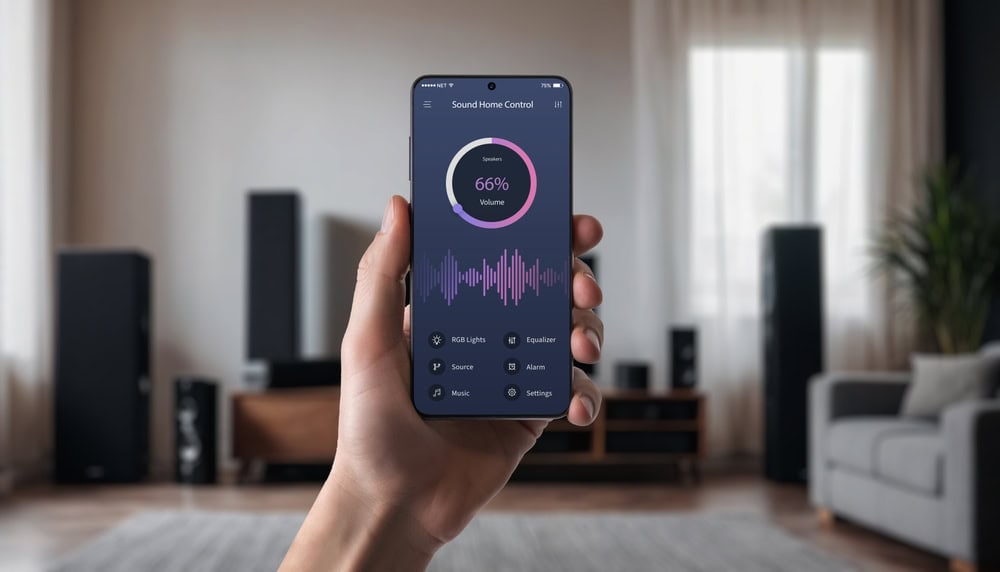
Integrating your whole home audio system with smart home technology is becoming increasingly popular. This integration allows for greater control and flexibility, enabling users to manage audio settings from their smartphones or voice assistants. The ability to control sound levels in various rooms remotely enhances the overall user experience, making it more convenient and enjoyable.
Moreover, smart integrations provide options for scheduling audio playback, creating specific sound zones, and enhancing security features through audible alerts. This level of control exemplifies how modern technology can enhance traditional home audio systems.
Compatibility with Voice Assistants and Apps
Compatibility with voice assistants and applications is another significant advantage of modern audio systems. Many brands now offer systems that work seamlessly with platforms like Amazon Alexa, Google Assistant, and Apple HomeKit, allowing users to operate their audio systems via voice commands. This hands-free operation streamlines the user experience and can be particularly beneficial in busy households.
Moreover, dedicated apps allow for customized control, enabling users to fine-tune settings, create playlists, and manage other audio features effortlessly. The combination of voice and app control provides unparalleled convenience in managing your whole home audio system.
Security and Privacy Considerations
While the integration of smart technology offers numerous advantages, it is essential to consider security and privacy. Smart home systems can be vulnerable to hacking and unauthorized access if not properly secured. Using strong, unique passwords and regularly updating software can help mitigate these risks.
It’s also advisable to review the privacy policies of any audio system or smart technology you incorporate into your home. Understanding how your data is used and stored will provide a better sense of control over your personal information.
Customization and Flexibility
Personalizing Your Audio Experience
Customization is a key aspect of whole home audio systems. Different individuals have different preferences for sound quality, volume levels, and audio sources. Many modern audio systems allow users to create personalized settings that cater to their specific listening habits.
Features like equalizers and customizable presets enable adjustments based on the genre of music or the type of media being consumed. This level of personalization ensures that all users can enjoy their audio experiences to the fullest, making the investment more worthwhile.
Modular Systems for Future Expansion
Another significant advantage of many modern audio systems is their modularity. Modular systems allow for future expansion, making it easy to add components or upgrade existing ones. If your audio needs change or if you acquire new technology, a modular system can adapt to these changes without requiring a complete overhaul.
This flexibility not only protects your investment but also means you can gradually enhance your audio experience over time, ensuring that your system remains current and capable of meeting your evolving needs.
Control Options and User Interface
The user interface of your audio system is another crucial consideration. A user-friendly interface can make a significant difference in how much you enjoy and utilize your audio system. Look for systems that offer intuitive controls, whether through physical remotes, mobile apps, or voice commands.
Ensuring that all family members can easily navigate the system is essential for maximizing its usage. Systems that provide clear instructions and straightforward controls will likely lead to higher satisfaction and more frequent use.
Testing and Evaluation
Importance of Listening Tests
Once your whole home audio system is installed, conducting listening tests is vital. This stage allows you to assess the quality of sound produced in each room and identify any areas that may require adjustments. Listening tests can reveal issues such as imbalanced sound levels, unclear dialogue, or inadequate bass response.
Invite family members and friends to participate in the listening tests, as different individuals may have varying preferences and perceptions of sound quality. Their feedback can provide insights that help you make necessary adjustments for an optimal experience.
Adjusting Settings for Optimal Performance
After conducting listening tests, it’s crucial to make necessary adjustments to achieve optimal performance. This could involve recalibrating speaker placements, altering equalizer settings, or making changes to the placement of furniture and decor to improve acoustics.
Many modern audio systems come with calibration tools that can help automate this process, ensuring a balanced sound experience across all rooms. Regular evaluations and adjustments can help maintain the quality of your audio system over time.
Feedback from Family and Friends
Finally, gathering feedback from family and friends is an excellent way to evaluate your audio system’s performance. Different perspectives can provide valuable insights into how well your setup meets varying needs. Encourage open discussions about sound quality and the overall experience, and be receptive to suggestions for improvement.
By actively seeking feedback, you can create an audio environment that is enjoyable for everyone, further enhancing the value of your investment.
Conclusion
Investing in a whole home audio installation requires careful consideration of multiple factors. From assessing your listening habits and budget to evaluating space and technology compatibility, each step plays a crucial role in ensuring a successful installation. Understanding the benefits of professional versus DIY installation, as well as the advantages of smart home integration, can further enhance your audio experience.
Moreover, the ability to customize your system and ensure it meets your unique needs can lead to greater satisfaction and enjoyment over time. By engaging in thorough testing and seeking feedback from others, you can maintain and optimize your audio system, ensuring a high-quality sound experience for years to come. when you’re ready to talk to a whole home audio installation expert contact us at Briggs A/V Solutions today!