


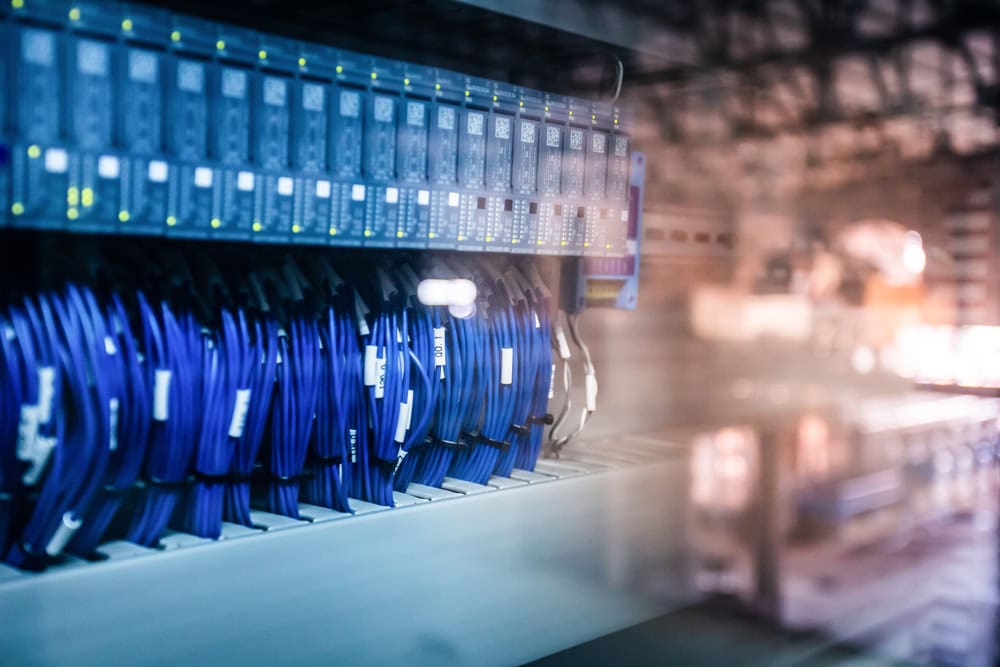
Introduction to Structured Cabling
In an increasingly connected world, the foundation of efficient communication systems lies in structured cabling. This intricate network of cables and connectors serves as the backbone for both residential and commercial setups, enabling seamless data transfer and connectivity. Whether for a smart home or a sophisticated office environment, understanding structured cabling is crucial for optimizing performance and ensuring reliability.
Structured cabling involves a systematic approach to cabling installation that adheres to specific industry standards. It encompasses various components, including cables, patch panels, and connectors, all designed to work together effectively. This article delves into the benefits, components, installation processes, and future trends of structured cabling, providing insights into why it is indispensable for modern infrastructures.
What is Structured Cabling?
Structured cabling refers to a standardized approach to cabling that supports a wide range of voice, data, and multimedia systems. Unlike traditional cabling systems that may be haphazardly installed, structured cabling is meticulously organized and planned, ensuring that all components function cohesively. It typically consists of four main subsystems: the horizontal cabling, backbone cabling, work area components, and telecommunications rooms.
This organized infrastructure supports various communication services, including internet access, phone lines, and video conferencing. It simplifies future upgrades, making it easier to adapt to new technologies as they emerge without needing extensive rewiring. As businesses and homes increasingly rely on technology, structured cabling becomes indispensable in maintaining high levels of connectivity and network efficiency.
Importance of Structured Cabling in Modern Environments
The significance of structured cabling in today’s digital landscape cannot be overstated. As organizations evolve, the demand for reliable and high-speed communication channels increases. Structured cabling provides a robust framework that supports growing bandwidth needs while maintaining flexibility for future expansions. This is especially crucial in environments such as data centers, where massive amounts of data traffic must be managed efficiently.
Moreover, structured cabling facilitates better collaboration and productivity in workplaces. With a well-organized cabling system, employees can communicate effortlessly through various channels, enhancing teamwork and efficiency. The reduced downtime attributable to organized systems further emphasizes the importance of investing in structured cabling for both businesses and residences.
The Benefits of Structured Cabling
Enhanced Communication and Connectivity
One of the primary advantages of structured cabling is the enhancement of communication systems. With a reliable cabling infrastructure, businesses can ensure seamless connectivity, enabling efficient data transfer, voice communication, and video conferencing. This connectivity is essential for maintaining client relationships, collaborating with teams, and sustaining operational efficiency.
Additionally, structured cabling provides a centralized network that supports multiple communication platforms, simplifying the management of these systems. It reduces latency issues and minimizes the chances of communication failure, which is crucial for businesses that depend on constant and reliable connectivity.
Scalability and Flexibility
Structured cabling systems are designed with scalability in mind. As organizations grow and evolve, their communication needs may change. Structured cabling allows for easy expansion without requiring a complete overhaul of the existing system. New devices can be integrated into the network with minimal effort, making it an ideal solution for businesses anticipating growth or technological upgrades.
This flexibility also extends to the physical layout of the cabling. With structured cabling, it is easier to rearrange workspaces and adapt to new configurations, ensuring that the communication infrastructure remains efficient and effective regardless of changes in office design or technology.
Improved Network Performance
Structured cabling is designed to optimize network performance by minimizing interference and ensuring high bandwidth capabilities. This is particularly important in environments where large volumes of data are transmitted frequently. A well-structured cabling system can support high-speed connections that enhance overall network performance, allowing for faster data transfer and improved service delivery.
Moreover, structured cabling adheres to industry standards that dictate the quality of materials used. This commitment to quality ensures that the cabling system can handle increasing data demands without degradation in performance, ultimately providing a more reliable network service to users.
Cost Efficiency
While the initial investment in structured cabling may seem significant, the long-term cost efficiency it offers is undeniable. By reducing the need for frequent upgrades and repairs, organizations can save money over time. The organized structure also means that troubleshooting becomes easier and quicker, further lowering operational costs associated with network downtime.
In addition, the extended lifespan of a well-installed structured cabling system means that businesses can avoid the costs associated with premature replacements. As technology continues to advance, having a solid cabling backbone ensures that organizations can integrate new solutions without incurring excessive expenses.
Structured Cabling Components
Cabling Types and Standards
Structured cabling systems comprise various cable types, each designed to meet specific needs and standards. The most commonly used cables include twisted pair cables (such as Cat5e, Cat6, and Cat6a) and fiber optic cables, which offer high-speed data transmission over long distances. The choice of cabling type depends on factors such as distance, bandwidth requirements, and environmental considerations.
Industry standards, including TIA/EIA-568, dictate how cabling should be installed and maintained. Adhering to these standards ensures compatibility and performance, allowing various components from different manufacturers to work together seamlessly. Understanding these standards is essential for anyone involved in structured cabling installation or maintenance.
Patch Panels and Racks
Patch panels and racks are critical components of structured cabling systems. Patch panels serve as a central point for managing the network connections, making it easier to organize and rearrange cables as needed. They allow for quick and straightforward modifications, enabling network administrators to connect or disconnect devices without disrupting the entire system.
Racks, on the other hand, provide the physical housing for various network devices, such as switches, routers, and servers. The use of standard rack sizes ensures compatibility and allows for efficient use of space. Proper organization of these components within racks and patch panels contributes to better airflow and cooling, which is vital for maintaining equipment performance and longevity.
Connectivity Devices
Connectivity devices, such as network switches, routers, and modems, are essential for transmitting data across the structured cabling system. Switches connect multiple devices within a network, allowing them to communicate and share resources efficiently. Routers, on the other hand, direct data packets between different networks, ensuring that information reaches its intended destination.
These devices must be carefully selected and configured to ensure optimal performance. The integration of high-quality connectivity devices with structured cabling significantly enhances the overall network performance, allowing for reduced latency and increased throughput.
Proper Cable Management
Effective cable management is vital for maintaining a structured cabling system. Properly organized cables reduce the likelihood of interference and physical damage, contributing to overall system reliability. Techniques for cable management include using cable trays, ties, and labels to keep cables organized and easily identifiable.
Investing time and resources into proper cable management not only improves aesthetics but also enhances maintenance. Easier access to cables simplifies troubleshooting and upgrades, reducing downtime and ensuring consistent operational efficiency.
Structured Cabling Installation Process
Planning and Design
The installation of structured cabling begins with careful planning and design. Understanding the specific needs of the environment—such as the number of devices, layout, and future scalability—is crucial for creating an effective cabling strategy. A well-designed plan considers all aspects of the installation, including cable types, routing paths, and device locations.
Designing a cabling system also involves adhering to industry standards and regulations, ensuring safety and compatibility with existing infrastructure. Consulting with professionals who specialize in structured cabling can provide valuable insights, making the planning process more efficient and effective.
Site Assessment
A thorough site assessment is essential for understanding the physical environment where the structured cabling will be installed. This assessment involves evaluating factors such as the layout of the space, existing infrastructure, and any potential obstacles that may impact installation.
Installation Best Practices
Following best practices during installation is crucial for ensuring the success of a structured cabling system. This includes adhering to industry standards, using quality materials, and employing skilled technicians for the installation process. Proper cable termination, labeling, and testing are vital components of a successful installation.
Moreover, maintaining proper distances between cables and avoiding tight bends are essential for minimizing signal degradation. Ensuring that all components are correctly installed reduces the likelihood of issues arising post-installation, ultimately enhancing the overall performance of the network.
Testing and Certification
After installation, it is critical to conduct thorough testing to certify the performance of the structured cabling system. Testing should evaluate parameters such as bandwidth, signal loss, and crosstalk, ensuring that the system operates within acceptable limits. Certification provides assurance to clients that the installation meets industry standards and is capable of handling the required data loads.
Documenting test results and certifications is also important for future maintenance and troubleshooting. Having an established record of performance metrics can assist in diagnosing any issues that may arise later, ensuring that the network remains reliable and efficient.
Choosing the Right Service Provider
Experience and Expertise
Selecting the right service provider for structured cabling installation is crucial. An experienced provider brings valuable knowledge and expertise, ensuring that the installation adheres to best practices and industry standards. Providers with a proven track record can navigate potential challenges effectively, delivering a reliable network infrastructure.
Additionally, experience in various environments—such as corporate offices, data centers, and smart homes—can provide insights into specific requirements and solutions. When choosing a provider, consider their ability to customize cabling solutions based on unique needs and challenges.
Licenses and Certifications
It is essential to verify that the chosen service provider holds the necessary licenses and certifications for structured cabling installation. These credentials indicate that the provider adheres to industry standards and regulations, ensuring quality and compliance.
Certifications from reputable organizations, such as BICSI or the Electronic Industries Alliance, demonstrate a commitment to professionalism and adherence to best practices. Investing in a certified provider ensures that the structured cabling system is installed correctly and efficiently, reducing the likelihood of future issues.
Customer Reviews and Testimonials
Before making a final decision, reviewing customer testimonials and feedback can provide insights into the service provider’s reliability and quality of work. Genuine customer experiences can highlight aspects such as communication, timeliness, and overall satisfaction with the completed project.
By considering past customer experiences, organizations can make informed decisions and select a provider that aligns with their expectations and needs. Additionally, reaching out to references can provide firsthand accounts of the provider’s capabilities and service quality.
Conclusion
Structured cabling is undeniably the backbone of modern communication systems, providing essential connectivity for homes and businesses alike. Its benefits—including enhanced communication, scalability, improved performance, and cost efficiency—make it a critical investment for any organization looking to optimize its network infrastructure.
As technology continues to evolve, understanding and implementing structured cabling solutions will be key to adapting to future challenges and opportunities. With the rise of smart technologies, 5G, and IoT, the demand for reliable cabling systems will only grow. By partnering with trusted providers like Briggs A/V Solutions, organizations can ensure that they are well-prepared for the future of connectivity.
Briggs A/V Solutions: Your Trusted Partner
Overview of Our Services
Briggs A/V Solutions specializes in structured cabling installations designed to meet the unique needs of both residential and commercial clients. Our expert team is dedicated to providing high-quality cabling solutions that enhance connectivity, improve network performance, and support future scalability.
We offer a comprehensive range of services, including site assessments, installation, testing, and ongoing maintenance, ensuring that our clients receive a complete solution tailored to their specific requirements. Our commitment to quality and customer satisfaction sets us apart as a trusted partner in structured cabling.
Commitment to Quality and Customer Satisfaction
Quality and customer satisfaction are at the forefront of everything we do at Briggs A/V Solutions. We utilize only the highest quality materials and adhere to industry standards during installation, ensuring a reliable and efficient cabling system. Our team of skilled technicians is dedicated to delivering exceptional service, maintaining transparent communication throughout the entire process.
We understand that every client’s needs are unique, and we work closely with them to tailor our solutions accordingly. Our commitment to excellence ensures that our clients can trust us to provide the best structured cabling solutions for their specific requirements. When you’re ready to get started give us a call today!