


Introduction
In an age where safety concerns are at an all-time high, the relevance of home security systems cannot be overstated. Home invasions, burglaries, and other forms of criminal activity pose significant threats to our peace of mind. Thus, investing in modern security systems is not merely an option; it has become a necessity for safeguarding our homes and loved ones.
This article delves into various aspects of modern security system installations. It will explore the different types of systems available, their benefits, how they enhance family safety, factors to consider when choosing a system, the importance of professional installations, and examples of successful implementations. By the end, readers will have a comprehensive understanding of how modern security systems can significantly enhance home and family safety.
The Importance of Home Security
The importance of home security cannot be understated. A secure home provides not only physical protection but also psychological comfort to its occupants. Knowing that there are systems in place to deter potential threats allows families to live their daily lives without the constant worry of intrusions or emergencies. This sense of security contributes positively to the overall well-being of the household.
Furthermore, statistics show that homes without security systems are three times more likely to be broken into than those with robust security measures. This alarming fact underscores the necessity of adopting effective security solutions. A well-implemented security system can act as both a deterrent and an immediate response mechanism, ensuring that any attempted intrusion is swiftly addressed.
Overview of Modern Security Systems
Modern security systems integrate advanced technology with traditional security measures, providing homeowners with comprehensive protection. These systems may include smart home technology, which allows homeowners to control and monitor their security remotely using mobile devices. Video surveillance, motion detection, and automated alerts can be seamlessly integrated for maximum effectiveness.
Moreover, many modern systems prioritize user experience, making them easier to install and operate. With options ranging from DIY setups to professional installations, there is a security solution available for every household. This versatility enables homeowners to choose systems that cater to their specific needs and budgets, ensuring that everyone can access modern security technology.
Types of Modern Security Systems
Smart Home Security Systems
Smart home security systems are at the forefront of technology in home protection. These systems leverage the Internet of Things (IoT) to connect various devices, allowing users to monitor their homes from anywhere in the world. Features like smart locks, doorbell cameras, and motion sensors can be controlled through mobile apps, providing real-time updates and alerts.
Additionally, these systems often integrate with other smart home devices, creating a cohesive ecosystem that enhances overall home automation. Homeowners can set schedules, customize alerts, and even receive notifications when unusual activity is detected, all contributing to an increased level of security.
Video Surveillance Systems
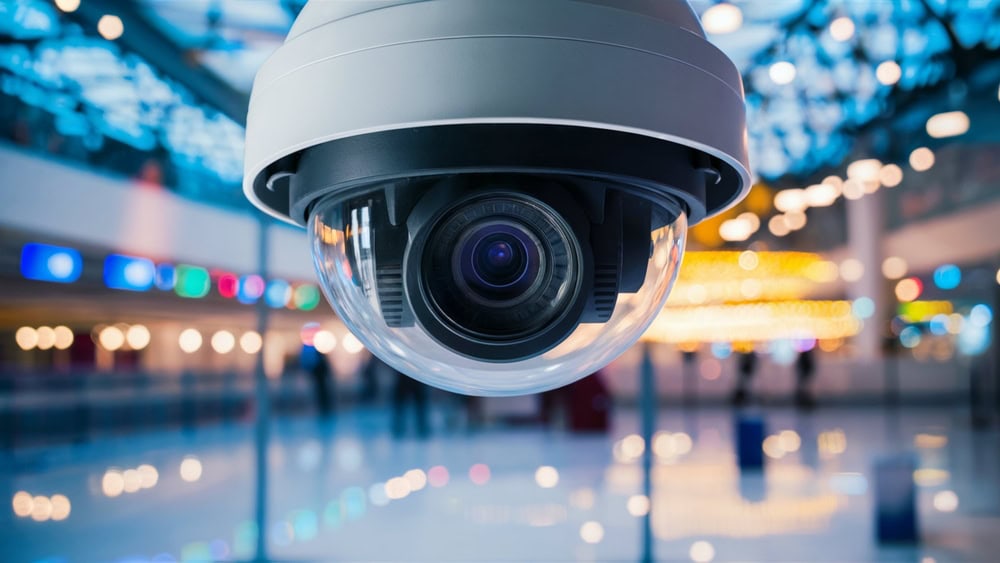
Video surveillance systems are a crucial component of modern security solutions. These systems typically consist of high-definition cameras strategically placed around the property to monitor activity. They can be accessed remotely, allowing homeowners to check live feeds or recorded footage through mobile devices or computers.
Many video surveillance systems also incorporate advanced features such as night vision, motion detection, and facial recognition technology. These enhancements not only improve the efficacy of monitoring but also provide crucial evidence in the event of a security breach, aiding law enforcement in their investigations.
Alarm Systems
Alarm systems serve as a fundamental aspect of home security, often functioning as the first line of defense against unauthorized entry. These systems can be activated manually or automatically when unauthorized access is detected. Modern alarm systems can also send instant alerts to homeowners and authorities through mobile applications, ensuring rapid response times.
There are various types of alarm systems, including wired and wireless options. Wireless systems are particularly appealing due to their ease of installation and flexibility, allowing homeowners to expand or modify their setup as needed. The effectiveness of alarm systems lies in their ability to deter potential intruders, as the presence of visible alarms often discourages criminal activity.
Access Control Systems
Access control systems are designed to regulate who can enter specific areas of a property. These systems can be particularly beneficial for larger homes or properties with multiple entry points. Access control can be managed through various methods, including keypads, biometric scanners, or smart locks that utilize mobile apps for entry.
By implementing access control systems, homeowners can restrict access to certain areas, ensuring that sensitive locations, such as home offices or storage areas, remain secure. Additionally, these systems typically log entry and exit times, providing valuable insights into who accessed the property and when. This capability can be especially useful for families with caregivers or service personnel.
Benefits of Security System Installations
Deterrence of Criminal Activity
One of the most significant benefits of installing a security system is its ability to deter criminal activity. Visible security measures, such as cameras and alarm signage, often discourage potential intruders from targeting a home. Studies have shown that homes with security systems are significantly less likely to be broken into compared to those without protective measures.
Moreover, the mere presence of a security system can provide peace of mind to residents. Knowing that there are tools in place to respond to intrusions allows families to feel more secure in their homes. This psychological effect creates a safer living environment and fosters a sense of community among neighbors looking out for one another.
Real-Time Monitoring and Alerts
Modern security systems offer real-time monitoring capabilities that enable homeowners to receive immediate alerts regarding suspicious activity. Through mobile applications, users can be notified of alarms, detected motion, or video surveillance updates directly to their smartphones. This immediacy allows homeowners to respond promptly to potential threats.
In addition to alerts, many systems provide the capability for live streaming video feeds, allowing homeowners to verify the source of alarms or disturbances. This feature can be crucial in preventing false alarms and ensuring that appropriate action is taken when necessary. Real-time monitoring enhances the overall effectiveness of a security system, making it an invaluable asset for any household.
Insurance Benefits
Installing a security system can lead to substantial savings on homeownersâ insurance premiums. Many insurance companies offer discounts to policyholders who have established security measures in their homes. This financial incentive not only offsets the costs of purchasing and installing a security system but also serves to encourage more homeowners to invest in protective technologies.
Homeowners should consult with their insurance providers to understand the specific requirements for receiving discounts. In many cases, simply having an alarm system can qualify for reduced rates, while additional measures such as video surveillance or access control might lead to even greater savings. Ultimately, investing in a security system can enhance both protection and financial security.
Remote Access and Control
Remote access is a hallmark feature of modern security systems, allowing homeowners to monitor and control their systems from virtually anywhere. With mobile applications, users can adjust settings, view camera feeds, and receive alerts in real-time, providing unparalleled convenience and control over their home security.
This feature becomes particularly beneficial during travel or extended absences from home. Homeowners can reassure themselves that their property is secure and respond to any suspicious activity, even from afar. Additionally, remote access enables users to grant entry to trusted visitors or service personnel without needing to be physically present, further enhancing convenience and security.
How Security Systems Enhance Family Safety
Emergency Response Features
Modern security systems often incorporate emergency response features, which are vital for ensuring family safety in critical situations. Many systems allow users to set up alerts for police, fire departments, or medical services directly from their devices. In the event of an emergency, these systems can notify authorities without the need for direct communication.
This capability is particularly important in situations where time is of the essence, such as medical emergencies or break-ins. The swift response facilitated by these systems can make a significant difference in mitigating harm and protecting family members during emergencies. Overall, the inclusion of emergency response features enhances the effectiveness of security systems as comprehensive safety solutions.
Child and Elderly Safety
Security systems can play a crucial role in safeguarding vulnerable family members, such as children and the elderly. Features like video monitoring and access control systems can help parents keep an eye on their children at play, while alert systems can notify caregivers of any unusual activity or potential dangers.
For elderly family members, security systems can also provide peace of mind. Systems equipped with medical alert features enable seniors to summon help at the push of a button, ensuring they receive assistance swiftly in the event of a fall or medical issue. By addressing the unique safety concerns of different family members, security systems contribute to a more secure living environment for everyone in the household.
Fire and Carbon Monoxide Detection
Modern security systems go beyond intrusion detection; they also include features for fire and carbon monoxide detection. Integrating smoke detectors and carbon monoxide sensors into a security system ensures that homeowners are alerted to dangerous conditions promptly. These alerts can be configured to notify both residents and emergency services, facilitating rapid response.
Having these safety features integrated into a comprehensive security system means that families can enjoy greater peace of mind. Fire and carbon monoxide detectors can often be tied into the security monitoring service, ensuring continuous oversight even when homeowners are not physically present. This dual-functionality of security systems emphasizes their importance in maintaining the overall safety of a home.
Factors to Consider When Choosing a Security System
Budget and Costs
When contemplating a security system installation, one of the foremost considerations is budget. The cost of security systems can vary widely based on the type of system, level of complexity, and additional features. Homeowners must assess their financial capacity while also considering the potential risks of inadequate security measures.
While upfront costs are essential, ongoing expenses, such as monitoring fees and maintenance, should not be overlooked. It is advisable to create a budget that encompasses the entire lifecycle of the security system, ensuring both initial investment and long-term financial planning are aligned. This comprehensive approach helps homeowners make informed decisions regarding the most suitable security solutions for their needs.
Installation Process
The installation process can significantly influence a homeowner’s choice of a security system. Some systems offer DIY installation, which can save costs and provide flexibility. However, it’s essential to ensure that homeowners have the necessary skills and time to set up the system effectively. A poorly installed system can lead to vulnerabilities that compromise home security.
On the other hand, professional installation services can ensure that systems are set up correctly and optimized for performance. While this option may come with higher initial costs, professional installers typically offer warranties and ongoing support, providing peace of mind for homeowners. Evaluating the installation process thoroughly is vital for determining the best approach to acquiring a security system.
Scalability and Future Upgrades
When selecting a security system, it’s crucial to consider scalability and future upgrade options. As technologies evolve, homeowners may want to enhance their systems with new features or additional devices. Opting for a scalable system allows for easy integration of new components, ensuring that the security solution remains up-to-date and effective.
Investing in systems that offer modular designs or compatibility with various smart devices can provide significant long-term benefits. This flexibility ensures that as a homeowner’s needs change or as new technologies emerge, they can adapt their security solutions accordingly without starting from scratch. Scalability should be a fundamental aspect of any security system consideration.
Integration with Other Smart Devices
In today’s increasingly connected world, the ability to integrate security systems with other smart devices enhances their functionality and convenience. Homeowners should seek systems that can seamlessly connect with existing smart home technologies, such as smart lighting, thermostats, and voice-controlled assistants.
Integration not only simplifies home management but also allows for advanced automation features. For instance, homeowners can program their security systems to activate lights when an alarm is triggered or lock doors remotely. This interconnectivity maximizes the effectiveness of security measures and enhances the overall smart home experience.
Professional Security System Installations
The Role of Expert Installers
Professional installation of security systems can significantly impact their effectiveness and reliability. Expert installers possess the knowledge and experience necessary to assess a property and recommend the most suitable security measures. They can identify vulnerable areas and ensure that devices are strategically placed for optimal coverage.
Additionally, professional installers are well-versed in the complexities of wiring and connectivity, minimizing the risk of technical issues that could compromise system performance. Their expertise ensures that the security system functions correctly from the outset, providing homeowners with confidence in their investment.
Benefits of Professional Installation
One of the primary benefits of professional installation is the assurance of quality and reliability. Expert technicians can guarantee that every component of the system is installed correctly and thoroughly tested before it goes live. This level of attention to detail contributes to the overall effectiveness of the security measures implemented.
Moreover, many professional installation services offer maintenance and support agreements, providing homeowners with ongoing assistance and peace of mind. Should any issues arise with the system, professional support can ensure that problems are resolved quickly, maintaining the intended level of security. This proactive approach minimizes potential vulnerabilities in the long run.
Maintenance and Support Services
Regular maintenance and support are crucial for ensuring the long-term effectiveness of security systems. Professional service providers typically offer maintenance packages that include routine inspections, software updates, and component replacements as necessary. This proactive care helps to identify and rectify any potential issues before they escalate into significant problems.
Additionally, having access to reliable support services can be invaluable in emergencies. Homeowners can feel reassured knowing that assistance is readily available should they encounter any difficulties with their security systems. Maintaining an open line of communication with installation professionals fosters a sense of trust and reliability, enhancing the overall experience of using a security system.
Conclusion
Summary of Key Points
Modern security system installations represent a critical investment in the safety and security of homes and families. From intelligent monitoring capabilities to emergency response features, these systems offer various benefits that enhance overall protection. With multiple types of systems available, including smart home security and video surveillance, homeowners can select solutions tailored to their unique needs.
Factors such as budget, installation processes, scalability, and integration with smart devices should be thoroughly considered when choosing a security system. The role of professional installers is equally important in ensuring that systems are installed correctly and maintained over time. Ultimately, the positive impacts of these security measures are evident in both individual residences and communities at large. When you are ready to have a professional security system installed in your home call us at Briggs A/V Solutions for more information.