


Introduction to Structured Cabling
Structured cabling forms the backbone of any audio-visual (AV) system, providing a standardized and efficient way to manage data and communications within a building. The significance of structured cabling installation cannot be overstated, as it ensures that all components of an AV system can communicate effectively and reliably. In this article, we will explore the essential aspects of structured cabling, its role in AV systems, and how professional installation can enhance performance.
Definition and Importance of Structured Cabling Installation
Structured cabling is a system of cabling and associated hardware that provides a comprehensive telecommunications infrastructure. It encompasses various elements such as cables, connectors, and patch panels, all designed to facilitate data transmission across different devices and platforms. The primary importance of structured cabling lies in its ability to support various systems, including voice, data, and video, in a cohesive manner, leading to improved efficiency and reliability.
A well-designed structured cabling system can significantly reduce operational costs and improve system longevity. By implementing a standardized approach, organizations can easily identify and resolve issues, minimize downtime, and ensure scalability for future growth. This becomes particularly vital in AV applications, where high-quality signal transmission is paramount.
How Structured Cabling Works
Structured cabling operates on a series of standardized cabling layouts that connect end devices-such as computers, cameras, and displays-to a central point, typically a network switch or a patch panel. Each cabling layout consists of a series of horizontal and vertical cabling subsystems, with specific protocols governing how data travels through the system. This intricate setup allows for the effective management of numerous devices and signals, thereby ensuring seamless connectivity.
The structured cabling system typically includes various cable types, such as Category 5e, 6, and fiber optics, each serving different purposes based on bandwidth and distance requirements. By using recognized standards such as TIA/EIA-568, structured cabling guarantees that installations meet performance benchmarks, facilitating high-speed data transfer essential for modern AV systems.
The Role of Structured Cabling in AV Systems
Seamless Communication
One of the primary roles of structured cabling in AV systems is to facilitate seamless communication between devices. Whether it’s a video conferencing system, digital signage, or an audio distribution system, structured cabling provides the necessary infrastructure to ensure that signals are transmitted without delay or interruption. This is particularly important in environments where multiple AV devices operate simultaneously, such as corporate boardrooms or educational institutions.
Structured cabling simplifies the management of these devices through a central hub, allowing AV technicians to troubleshoot and resolve issues quickly. The organized setup helps prevent tangling or mismanagement of cables, which can lead to poor signal quality and system failures. The result is a reliable communication channel that enhances user experience and productivity.
High-Quality Signal Transmission
Structured cabling is designed to support high-quality signal transmission, which is crucial for delivering optimal audio and video experiences. High-speed data transfer requires a robust cabling infrastructure that can minimize signal degradation and interference. Fiber optic cables, for instance, are often used in structured cabling to achieve higher bandwidth and longer transmission distances without loss of quality.
The integration of structured cabling in AV systems ensures that multimedia content is transmitted in real-time and at the highest quality possible. With reduced latency and enhanced signal integrity, users can enjoy a seamless experience whether they are streaming video, conducting virtual meetings, or using interactive displays.
Scalability for Future Upgrades
Another significant advantage of structured cabling is its inherent scalability. As technology evolves, organizations often need to upgrade or expand their AV systems to incorporate new features or devices. A well-structured cabling system makes it easier to adapt to these changes without the need for a complete overhaul of the existing infrastructure.
By installing a flexible cabling system, businesses can add new devices and capabilities as needed, ensuring that their AV systems remain relevant and functional over time. This adaptability can lead to cost savings and increased return on investment, as organizations can leverage their existing infrastructure for new technologies.
Benefits of Professional Structured Cabling Installation
Expertise and Quality Assurance
Investing in professional structured cabling installation provides a level of expertise that is crucial for achieving optimal performance. Qualified technicians possess the necessary knowledge and skills to design and implement a structured cabling system that meets industry standards. Their expertise ensures that every aspect of the installation is carried out correctly, from selecting the appropriate cabling types to implementing effective termination and testing procedures.
Moreover, professional installation guarantees quality assurance, reducing the risk of errors that can lead to poor system performance. A certified installer will conduct thorough testing after the installation to verify that the cabling system meets all specifications and that signal quality is maintained throughout.
Improved System Performance
When structured cabling is installed by professionals, users can expect improved system performance across the board. With properly selected cabling, optimized layouts, and effective termination, signal transmission remains strong and reliable. Users benefit from enhanced data transfer rates, clearer audio, and sharper video quality, all of which contribute to an overall better user experience.
Furthermore, an efficient structured cabling system minimizes the potential for interference and signal degradation, ensuring that the AV systems perform at their best. This is particularly important in environments where multiple devices and systems operate concurrently, as it helps maintain a stable and consistent performance level.
Reduced Downtime and Maintenance Costs
Structured cabling systems, when installed correctly, tend to require less maintenance and result in reduced downtime. A well-organized cabling system makes it easier to troubleshoot and identify potential issues before they escalate into significant problems. This proactive approach not only saves time but also reduces the costs associated with system outages and repairs.
By minimizing interruptions to communication and AV functionalities, organizations can maintain productivity and ensure that their systems are always operational. The long-term cost savings resulting from fewer maintenance issues and reduced downtime can greatly outweigh the initial investment in professional structured cabling installation.
Key Components of Structured Cabling Systems
Cabling Types and Their Uses
A wide variety of cabling types are used in structured cabling systems, each serving specific functions based on the requirements of the AV system. Commonly used cables include twisted pair cables, such as Category 5e and Category 6, which are widely used for data transmission in networking applications. These cables are capable of supporting high-speed internet and networked AV devices.
Fiber optic cables are also essential components of structured cabling systems, especially for high-demand AV applications. Fiber optics provide higher bandwidth and longer distances with less signal loss compared to copper cables. Understanding the appropriate cabling types and their uses is crucial for designing an effective structured cabling system that meets both current and future needs.
Patching and Termination
Patching and termination are critical aspects of structured cabling installation. Patch panels act as the central connection point for all cables, facilitating easy management of network connections. Proper termination of cables ensures that signals can be effectively transmitted between devices without loss of quality. Skilled technicians meticulously handle the patching and termination process to adhere to industry standards and achieve optimal performance.
Moreover, well-terminated cables help avoid issues such as crosstalk and electromagnetic interference, which can degrade system performance. By ensuring high-quality connections, structured cabling systems can operate at their peak capacity, providing users with reliable and efficient AV solutions.
Cabling Infrastructure and Design
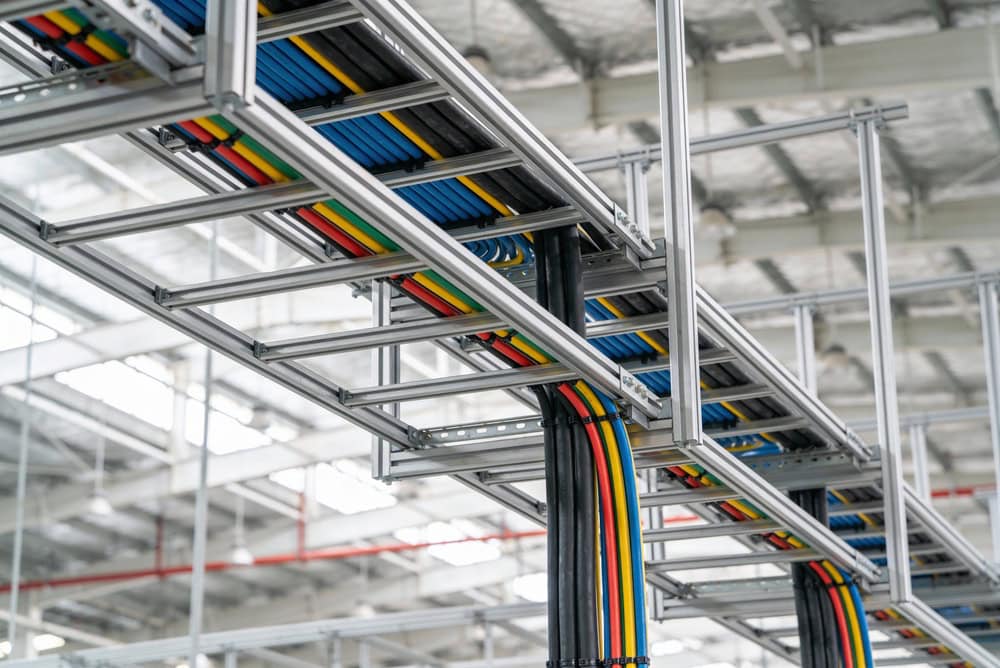
The design of the cabling infrastructure is vital for maximizing the efficiency and effectiveness of structured cabling systems. This involves planning the layout of cables, determining the best routes for installation, and ensuring that all components are easily accessible for maintenance and upgrades. A well-thought-out design minimizes clutter and confusion, allowing for a streamlined approach to managing AV systems.
Additionally, an organized cabling infrastructure enables easier troubleshooting and reduces the likelihood of issues arising from tangled or improperly routed cables. Proper design not only enhances functionality but also contributes to a safer working environment by minimizing tripping hazards and ensuring that cables are protected from damage.
Choosing the Right Structured Cabling Provider
Evaluating Experience and Expertise
When selecting a structured cabling provider, it is essential to evaluate their experience and expertise in the field. Look for companies that have a proven track record of successful installations and a deep understanding of the latest technologies and industry standards. Experienced providers can offer valuable insights and recommendations to create a customized cabling solution that meets your unique needs.
Moreover, an experienced provider will be familiar with common challenges and pitfalls, allowing them to anticipate potential issues and mitigate risks during the installation process. Their expertise becomes a significant asset in ensuring that the structured cabling system is designed and implemented effectively.
Assessing Customer Reviews and Testimonials
Customer reviews and testimonials can provide valuable insights into the quality of service offered by structured cabling providers. Researching feedback from previous clients helps gauge the provider’s reliability, professionalism, and ability to meet deadlines. Look for testimonials that highlight successful installations and customer satisfaction, as these can indicate a provider’s commitment to excellence.
Additionally, reaching out to former clients for references can provide firsthand accounts of their experiences. This information can help you make an informed decision when selecting a structured cabling provider, ensuring that you choose a partner that aligns with your vision and goals.
Understanding the Installation Process
Having a clear understanding of the installation process is crucial when selecting a structured cabling provider. A reputable provider will outline the steps involved in the installation, from the initial consultation and design phase to the actual installation and post-installation support. Understanding this process allows you to set expectations and prepare for any potential disruptions during the installation.
A well-organized installation process ensures that the structured cabling system is implemented efficiently and effectively, minimizing downtime and ensuring that the end result meets your needs. Look for providers that prioritize transparency and communication throughout the installation, as this can lead to a more successful partnership.
Future Trends in Structured Cabling and AV Integration
Emerging Technologies
The field of structured cabling is continually evolving to accommodate emerging technologies that drive innovation in AV systems. As new standards and protocols are developed, structured cabling solutions must adapt to support increased bandwidth demands and enhanced functionalities. For example, advancements in Power over Ethernet (PoE) technology allow for the transmission of both data and power over a single cable, simplifying installations and reducing costs.
Furthermore, as 4K and 8K video content becomes more prevalent, structured cabling systems must evolve to support these higher resolutions. This necessitates the use of advanced cabling solutions capable of delivering the required bandwidth and signal integrity, highlighting the importance of staying current with industry trends.
Advancements in Cabling Solutions
Continued advancements in cabling solutions are enhancing the capabilities of structured cabling systems. New materials and manufacturing techniques are leading to the development of more durable and flexible cabling options, which can withstand various environmental conditions while maintaining optimal performance. Innovations in cabling technology also focus on reducing crosstalk and electromagnetic interference, further improving signal quality.
As the demand for high-performance AV systems grows, structured cabling providers must keep pace with these advancements to deliver solutions that not only meet current standards but also anticipate future requirements. This proactive approach will be essential for organizations looking to invest in structured cabling systems that support their long-term goals.
Conclusion: The Foundation of Your AV System
Summary of Key Points
Structured cabling installation is a critical component of any effective AV system, serving as the foundation for seamless communication, high-quality signal transmission, and scalability for future upgrades. Professional installation ensures expertise, improved system performance, and reduced downtime, all essential for maintaining a reliable AV infrastructure.
Understanding the key components of structured cabling systems, including cabling types, patching, and design, is vital for successful implementation. As organizations embrace technology advancements and prepare for the future, choosing the right structured cabling provider becomes increasingly important for achieving optimal results. For more information contact us at Briggs A/V Solutions!