


Introduction to Structured Cabling Installation
Structured cabling installation is a critical element in modern telecommunication systems, serving as the backbone for voice, data, and multimedia transmission across various environments. This process involves the design and installation of a comprehensive system of cables, connectors, and networking equipment. Professional installation of structured cabling ensures that businesses can operate efficiently, leveraging advanced technology while minimizing potential disruptions.
This article delves into the numerous benefits of professional structured cabling installation, the components involved, the expertise of providers like Briggs A/V Solutions, and real-world applications. As organizations increasingly rely on efficient communication systems, understanding structured cabling’s implications becomes essential for long-term success.
What is Structured Cabling?
Structured cabling refers to a standardized system of cabling that supports multiple hardware uses, such as telephone systems, data networks, and video surveillance. Unlike traditional cabling setups, structured cabling follows a unified framework that enhances organization and functionality. This system comprises various cabling types, such as twisted pair, fiber optic, and coaxial cables, ensuring compatibility with various technologies.
The design of structured cabling systems adheres to internationally recognized standards, ensuring that installations meet specific performance requirements. This includes the Telecommunications Industry Association (TIA) and the International Organization for Standardization (ISO) guidelines. A well-implemented structured cabling system can significantly improve network performance and reliability, making it a necessity for businesses in any sector.
The Importance of Professional Installation
While it is possible for organizations to take a DIY approach to cabling, professional installation offers a multitude of advantages that ensure optimal performance and longevity of the system. Professional installers possess the expertise and knowledge necessary to design a structured cabling system tailored to the specific needs of a business. They ensure compliance with industry standards and regulations, greatly reducing the risk of future issues.
Moreover, professional installation minimizes the potential for human error, which can lead to costly mistakes and system downtimes. This level of precision provides organizations with peace of mind knowing that their cabling infrastructure is robust, reliable, and designed for future scalability.
Key Benefits of Professional Structured Cabling Installation
Enhanced Communication Systems
One of the most significant advantages of professional structured cabling installation is the enhancement of communication systems. Efficient cabling systems allow for seamless integration of various communication technologies, including VoIP (Voice over Internet Protocol), video conferencing, and data transfer. This integrated approach fosters improved collaboration among employees, leading to enhanced productivity and efficiency.
Moreover, structured cabling facilitates the implementation of advanced technologies such as the Internet of Things (IoT), which further enhances communication capabilities. By providing a stable platform for these technologies, organizations can stay competitive in increasingly digital landscapes.
Increased Reliability and Performance
A professionally installed structured cabling system offers increased reliability and performance compared to traditional manual installations. With standardized practices and components, businesses can expect fewer disruptions and a more stable network. This reliability is particularly crucial for organizations that depend on technology for daily operations.
Additionally, structured cabling systems are designed for high data rates, ensuring that communication remains uninterrupted even during peak usage times. This high performance is essential for organizations that handle large volumes of data or that require real-time communication to function effectively.
Scalability for Future Growth
Businesses evolve over time, and their cabling needs may change as they expand or adopt new technologies. A well-designed structured cabling system allows for easy scalability, meaning that additional cables and connections can be integrated without major overhauls. This flexibility is essential for organizations that anticipate growth and want to stay ahead of technological advancements.
By investing in structured cabling from the outset, organizations position themselves to adapt to future demands without incurring excessive costs or downtime. This proactive approach to cabling ensures that businesses remain agile and capable of responding to evolving market needs.
Reduced Downtime and Maintenance Costs
Another compelling reason to opt for professional structured cabling installation is the significant reduction in downtime and maintenance costs. A properly installed system requires less frequent repairs and troubleshooting, as it is designed for optimal performance. This minimizes the loss of productivity associated with network failures or issues.
Furthermore, professional installers can offer ongoing maintenance services, ensuring that any potential concerns are addressed before they escalate into major problems. This preventive approach helps organizations manage costs effectively and maintain consistent operational efficiency.
Improved Aesthetics and Space Efficiency
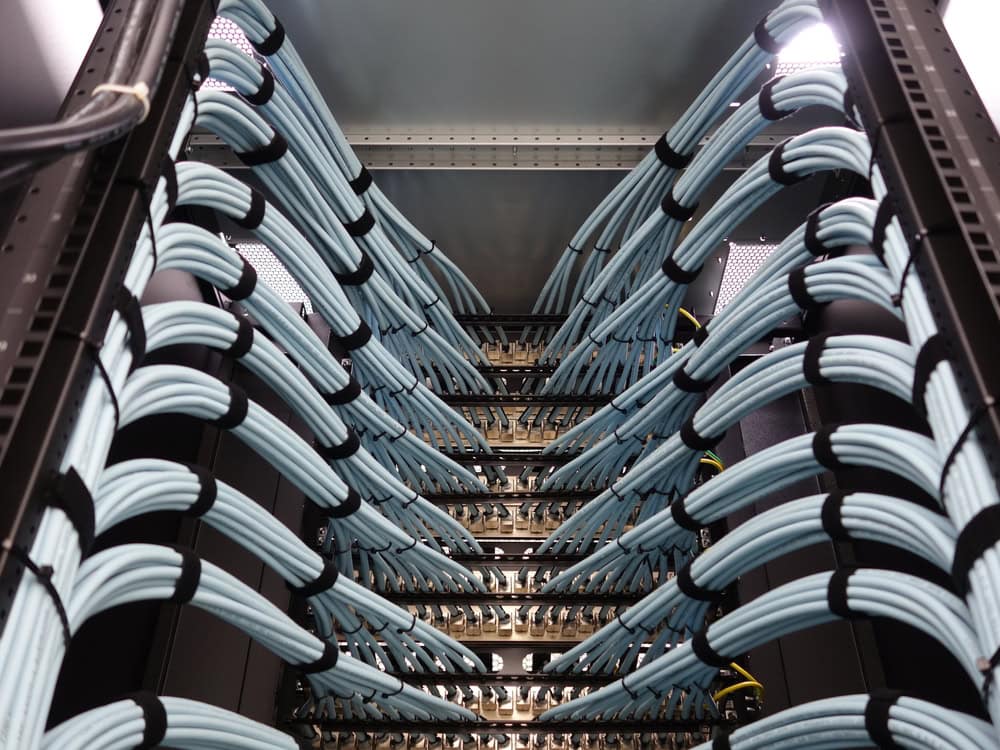
Professional structured cabling installation not only enhances functionality but also improves the aesthetics of a workspace. A well-organized cabling system reduces clutter, making it easier to navigate and maintain the office environment. Cables are neatly routed through raceways or conduits, contributing to a more professional appearance.
Additionally, space efficiency is maximized through structured cabling systems, as these setups are designed to utilize available space effectively. This organization can lead to a more productive work environment, where employees can focus on their tasks without being distracted by disorganized cables and connections.
Understanding the Components of Structured Cabling
Cabling Types and Standards
Structured cabling systems consist of several components, each serving a specific purpose. The most common types of cables used include twisted pair, which is often used for telephone and data communications; fiber optic cables, which provide high-speed data transmission over long distances; and coaxial cables, typically used for video signals. Each of these cable types adheres to established standards to ensure compatibility and performance.
Standards such as Category 5e (Cat 5e), Category 6 (Cat 6), and Category 6a (Cat 6a) define the specifications for twisted pair cables, while fiber optic standards include OM1, OM2, OM3, and OM4 classifications. Adhering to these standards is crucial for ensuring that the structured cabling system meets the necessary performance requirements for data transmission.
Patch Panels and Racks
Patch panels and racks are essential components of structured cabling systems. Patch panels serve as a central point where all incoming and outgoing cables connect, allowing for easier management and troubleshooting of the network. This organization simplifies the process of re-routing connections and makes it easier to identify issues in the system.
Racks house the networking hardware, such as switches, routers, and servers, providing a secure and organized environment for equipment. Together, patch panels and racks contribute to a more streamlined and efficient cabling infrastructure, ensuring that all components work harmoniously.
Networking Hardware Integration
Structured cabling systems are designed to integrate seamlessly with various networking hardware. This includes switches, routers, and wireless access points, all of which play a critical role in enabling communication across the network. Proper integration of these components ensures optimal performance and reliability.
The Role of Briggs A/V Solutions in Structured Cabling
Expert Consultation and Planning
Briggs A/V Solutions specializes in providing expert consultation and planning for structured cabling installations. Their experienced team works closely with clients to assess their unique needs and develop customized solutions that align with both current requirements and future growth plans. This tailored approach ensures that businesses receive a cabling infrastructure that maximizes their operational efficiency.
During the consultation phase, Briggs A/V Solutions conducts a thorough analysis of the existing systems and identifies potential areas for improvement. This proactive assessment allows for informed decision-making regarding the best cabling solutions, thereby minimizing the risk of future complications.
Customized Cabling Solutions
Understanding that each organization has distinct needs, Briggs A/V Solutions offers customized cabling solutions that address specific requirements. Whether it’s a small business seeking to optimize its communication systems or a large enterprise needing a complex infrastructure, their team is equipped to deliver tailored installations that enhance performance and reliability.
This customization extends beyond cabling types; it also includes the layout and design of the system, ensuring that it integrates seamlessly with existing infrastructure. By embracing a personalized approach, Briggs A/V Solutions empowers clients to achieve their goals more effectively.
Common Myths About Structured Cabling Installation
Myth 1: Structured Cabling is Only for Large Businesses
One prevalent myth is that structured cabling systems are only beneficial for large enterprises. In reality, businesses of all sizes can reap the advantages of structured cabling installations. Even small and medium-sized enterprises can enhance their communication systems and scalability by investing in structured cabling.
Structured cabling is designed to grow with a business, making it an ideal solution for organizations anticipating expansion. This adaptability ensures that even smaller businesses can benefit from future-proofing their technology infrastructure.
Myth 2: Installation is Too Expensive
Another misconception is that structured cabling installation is prohibitively expensive. While there may be initial costs associated with professional installation, these costs should be viewed as an investment rather than a mere expense. Over time, the savings generated from reduced downtime, improved efficiency, and less maintenance often offset the initial outlay.
Moreover, the long-term benefits of having a reliable and scalable cabling infrastructure ultimately lead to greater overall cost-effectiveness. Organizations that prioritize structured cabling can better manage their technology needs and allocate resources more efficiently.
Myth 3: It’s a One-Time Investment
Some organizations believe that structured cabling is a one-time investment that doesn’t require ongoing attention. However, the reality is that a cabling system must be maintained and updated as technology evolves. With the rapid pace of technological advancements, regular assessments and upgrades to the cabling infrastructure are essential to ensure continued performance and reliability.
Investing in professional installation provides businesses with the essential foundation for their technology needs, but it also requires ongoing commitment to maintenance and upgrades to stay ahead in a competitive environment.
Choosing the Right Professional Installer
Qualifications and Certifications
Selecting the right professional installer for structured cabling is crucial to ensure the success of the project. Potential installers should have relevant qualifications and certifications, indicating their expertise in the field. Certifications from organizations such as BICSI (Building Industry Consulting Service International) and cable manufacturers reinforce the credibility of the installer and their adherence to industry standards.
These qualifications signal to businesses that the installer possesses the necessary skills and knowledge to execute structured cabling projects effectively, ensuring quality and reliability throughout the process.
Experience and Portfolio
Experience is another vital factor to consider when choosing a professional installer. Review the installer’s portfolio to assess previous projects and gauge their capabilities in handling installations similar to your requirements. An installer with a diverse portfolio demonstrates versatility and an understanding of various industries and technologies.
Additionally, it’s beneficial to seek referrals and testimonials from previous clients. Positive feedback from satisfied customers can provide insight into the installer’s professionalism, reliability, and ability to deliver high-quality results.
Conclusion: Investing in Professional Structured Cabling Installation
Investing in professional structured cabling installation offers numerous advantages for organizations looking to enhance their communication systems and prepare for future growth. From increased reliability and performance to reduced downtime and improved aesthetics, structured cabling provides a robust foundation for modern business operations.
By partnering with experienced providers like Briggs A/V Solutions, businesses can ensure that their cabling infrastructure is tailored to their specific needs, setting the stage for ongoing success in a digital world. The long-term benefits of structured cabling—greater efficiency, scalability, and cost-effectiveness—underscore the importance of making this investment.