


Introduction
In an era where safety and security are paramount, the significance of robust security systems for commercial properties cannot be overstated. Businesses face a multitude of threats ranging from theft and vandalism to data breaches, making the implementation of a comprehensive security strategy essential. This article provides an in-depth look at security system installation for businesses, outlining the various types of systems available, how to assess security needs, the installation process, and best practices for maintaining a secure environment.
Importance of Security in Commercial Properties
Security in commercial properties is crucial for protecting assets, employees, and sensitive information. A well-implemented security system not only deters criminal activity but also fosters a sense of safety among employees and customers. The financial implications of theft or vandalism can be devastating for a business, potentially leading to significant losses and even bankruptcy in extreme cases. Therefore, investing in robust security measures is not just a precaution; it is a fundamental aspect of business operations.
Moreover, the evolving landscape of security threats necessitates a proactive approach. Cybersecurity threats, internal theft, and even workplace violence are increasingly common, making it vital for businesses to reassess their security needs regularly. By staying ahead of potential risks, companies can safeguard their reputation and ensure operational continuity.
Overview of Security System Installation
The installation of a security system involves a multi-faceted approach that encompasses planning, assessment, installation, and ongoing maintenance. A comprehensive security system integrates various components such as video surveillance, access control, and intrusion detection to create a well-rounded defense against threats. Understanding the diverse types of systems available and their functionalities is essential for making an informed decision that aligns with specific business needs.
This article will delve into the different types of security systems available for commercial properties, outline essential steps for assessing security needs, and provide guidance on choosing and installing the right system. By following these guidelines, businesses can enhance their security posture and effectively mitigate risks.
Types of Security Systems for Businesses
Video Surveillance Systems
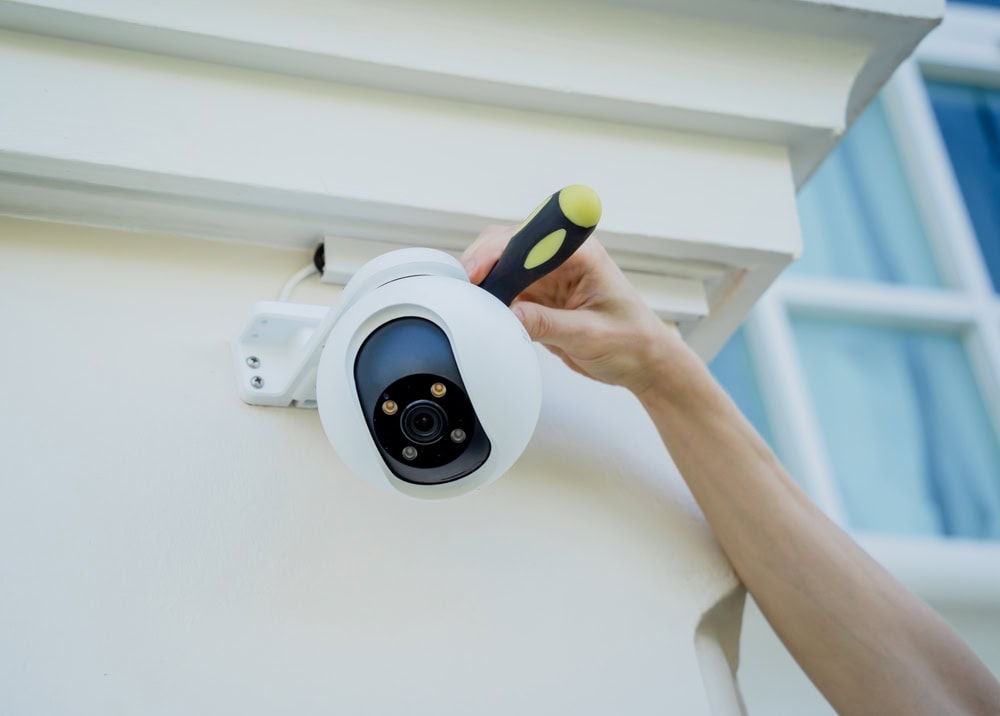
Video surveillance systems are a cornerstone of modern security solutions. These systems typically consist of cameras strategically placed around the premises to monitor activities in real-time and record footage for later review. Advanced features such as high-definition video, night vision capabilities, and motion detection have made these systems more effective than ever.
Video surveillance serves multiple purposes. It acts as a deterrent to potential criminals, provides crucial evidence in case of incidents, and allows for remote monitoring, enabling business owners to keep an eye on their properties from anywhere at any time.
Access Control Systems
Access control systems regulate who can enter specific areas of a business, ensuring that sensitive areas are protected. These systems can range from simple keycard access to biometric scanning technologies. By controlling access, businesses can minimize unauthorized entry and enhance the overall security of their property.
Moreover, access control systems can be tailored to fit the unique needs of a business. For instance, they can be configured to grant access only during certain hours or to specific personnel, providing an additional layer of security. Integrating these systems with surveillance can also enhance monitoring capabilities.
Intrusion Detection Systems
Intrusion detection systems are designed to detect unauthorized entry or activity within a property. These systems can include motion sensors, window and door sensors, and glass break detectors that alert security personnel or law enforcement when a breach occurs. The rapid response facilitated by these systems can significantly reduce the damage inflicted by intruders.
Many modern intrusion detection systems can be integrated with other security technologies, allowing for a comprehensive approach to security management. For instance, motion sensors can trigger cameras to start recording automatically, thereby capturing potential evidence of criminal activity.
Fire and Safety Systems
While most discussions about security focus on theft prevention, fire and safety systems are critical components of a comprehensive security strategy. These systems include smoke detectors, fire alarms, and sprinkler systems designed to detect and respond to fire hazards. Regular maintenance and testing of these systems are essential to ensure their functionality in emergency situations.
Implementing an effective fire safety system not only protects physical assets but also ensures the safety of employees and customers. In many jurisdictions, maintaining these systems is mandated by law, highlighting their importance in overall business operations.
Integrated Security Solutions
Integrated security solutions combine various security technologies into a cohesive system. This might involve the integration of video surveillance, access control, and intrusion detection into a single platform that can be monitored and managed from one interface. Such integration simplifies security management and enhances the effectiveness of each component by allowing them to work together.
The seamless flow of information between systems enables quicker response times to incidents and enhances overall situational awareness. As technology continues to evolve, integrated solutions are becoming increasingly sophisticated, offering businesses greater control over their security landscape.
Assessing Your Business Security Needs
Conducting a Security Risk Assessment
A thorough security risk assessment is the first step in determining the appropriate security measures for a business. This assessment involves identifying potential threats, evaluating the vulnerabilities of the property, and analyzing the impact of various risks. Engaging stakeholders in this process can yield valuable insights and help prioritize security investments.
Utilizing a risk assessment framework can streamline this process. Businesses should evaluate both internal and external threats, considering factors such as geographical location, industry-specific risks, and past security incidents. By understanding these variables, businesses can develop a tailored security strategy that addresses their unique challenges.
Identifying Vulnerable Areas
Identifying vulnerable areas within a commercial property is crucial for effective security planning. This assessment should include evaluating the physical layout, entry and exit points, and any blind spots that may exist due to building design. High-traffic areas, loading docks, and perimeter boundaries are often focal points for security vulnerabilities.
Additionally, assessing the behavior of employees and visitors is essential. Understanding patterns of movement and access can help identify potential risks and inform the placement of security measures. This comprehensive approach ensures that the most vulnerable areas are adequately protected.
Understanding Local Crime Trends
Staying informed about local crime trends is an essential aspect of effective security planning. Businesses should research crime statistics in their area, identify common types of crimes, and assess how these trends might impact their operations. Local police departments often provide resources and crime reports that can be invaluable for this research.
Incorporating this information into the security planning process allows businesses to implement targeted solutions that address specific threats. For instance, if theft is a prevalent issue in a particular area, enhancing video surveillance and access control may be necessary to mitigate risks.
Employee Input and Concerns
Engaging employees in the security planning process can provide unique perspectives and valuable insights. Employees often have firsthand experience with existing security measures and can identify areas for improvement that management might overlook. Conducting surveys or focus groups can be an effective way to gather this information.
Moreover, addressing employee concerns about security can foster a culture of safety within the organization. When employees feel heard and valued, they are more likely to adhere to security protocols and contribute positively to the overall security environment.
Choosing the Right Security System
Evaluating System Features and Capabilities
When selecting a security system, businesses should carefully evaluate the features and capabilities of available options. Important considerations include video resolution, storage capacity, user interface, and integration capabilities with other systems. Depending on the business’s specific needs, certain features may be more valuable than others.
For instance, a business with a high volume of foot traffic may prioritize high-resolution video surveillance to capture clear images for identification purposes, while a business with restricted access might focus on advanced access control features. Conducting thorough research and consultations with security experts can help businesses make informed choices.
Scalability for Future Growth
As businesses evolve, their security needs may change. Therefore, selecting a security system that is scalable is critical. A scalable system can easily adapt to increased personnel, expanded facilities, or additional security requirements without requiring a complete overhaul.
Investing in a scalable solution not only saves money in the long run but also ensures that the security system can grow alongside the business. This flexibility is especially important for businesses in dynamic industries or those planning to expand their operations in the near future.
Budget Considerations
Budget constraints are often a significant factor when choosing a security system. Businesses should assess their financial resources and develop a budget that encompasses not only the initial installation costs but also ongoing maintenance and monitoring expenses. This comprehensive financial overview helps prevent unexpected costs down the line.
While it may be tempting to opt for the cheapest options, it is essential to prioritize quality and effectiveness. Investing in a reliable, high-quality security system can save businesses money over time by reducing losses from theft, damage, and liability. Therefore, finding a balance between cost and quality is crucial for successful security implementation.
Technology and Innovation in Security Systems
The landscape of security technology is ever-changing, with innovations continually emerging to address new threats. Businesses should stay abreast of the latest advancements in security technology, such as artificial intelligence, cloud storage, and mobile monitoring applications. These innovations can significantly enhance the effectiveness and efficiency of security systems.
For example, AI-powered surveillance systems can analyze footage in real time to detect anomalies, while cloud storage solutions provide flexible options for data management. By leveraging the latest technologies, businesses can bolster their security measures and stay ahead of potential risks.
Planning the Installation Process
Timeline for Security System Installation
Establishing a clear timeline for the installation of a security system is essential for minimizing disruption to business operations. The timeline will vary depending on the complexity and scale of the system. Businesses should work with their security provider to develop a project plan that outlines key milestones and deadlines.
Factors that may influence the timeline include the number of security components being installed, the availability of personnel, and any necessary permits or inspections. Effective communication with all stakeholders throughout the process can help ensure that the installation proceeds smoothly and on schedule.
Working with a Professional Security Installer
Collaborating with a professional security installer is crucial for achieving optimal results. Experienced security installers bring valuable expertise and knowledge about the best practices in security system design and installation. They can help businesses navigate the complexities of installation, from selecting the right equipment to ensuring compliance with local regulations.
When choosing a security installer, businesses should look for providers with a proven track record and positive customer reviews. Requesting references and conducting interviews can help ensure that the chosen installer is a good fit for the organization’s needs.
Permits and Regulations to Consider
Before installing a security system, businesses must be aware of any permits or regulations that may apply. Depending on the location and type of security system, certain permits may be required, particularly for installation of cameras in public areas or the use of alarm systems. Failing to obtain the necessary permits can result in fines or complications down the line.
Additionally, businesses should familiarize themselves with privacy regulations governing the use of surveillance systems. Understanding these legal requirements will help businesses implement security measures without infringing on the rights of employees and customers.
Preparing Your Business for Installation
Preparing the business environment for security system installation involves several steps. First, businesses should communicate with staff about the upcoming installation, outlining the purpose and expected outcomes. This communication helps manage expectations and minimizes potential disruptions.
Additionally, businesses may need to make physical adjustments to their property, such as clearing pathways for installation or temporarily relocating equipment. Taking these proactive steps ensures that the installation process goes smoothly and efficiently.
Conclusion
In conclusion, the installation of a security system is a critical investment for businesses seeking to protect their assets, employees, and sensitive information. By understanding the various types of security systems available, assessing specific security needs, and following best practices for installation and maintenance, businesses can create a robust security framework. When you’re ready to learn more contact us at Briggs A/V Solutions for more info!