


Introduction
In an age where security concerns are at the forefront of many homeowners’ minds, understanding home security systems is paramount. This article serves as a comprehensive guide for anyone considering the installation of such systems, emphasizing the importance of protecting your home and loved ones. With various options available, from traditional alarm systems to modern smart home devices, choosing the right security solution can be overwhelming. We aim to demystify these options and provide valuable insights into making informed decisions about home security.
The Importance of Home Security
Home security is not just a luxury but a necessity in today’s society. With rising crime rates in various regions, having a reliable security system can deter potential intruders and provide peace of mind. Studies have shown that homes without security systems are significantly more likely to be targeted for burglary. Furthermore, the psychological comfort of knowing that your home is secure can contribute to overall well-being.
Moreover, effective home security systems can protect your property against other threats, including fire and carbon monoxide leaks. Integrating these systems can provide a comprehensive shield against various dangers, underscoring the need for homeowners to prioritize security as a fundamental aspect of home maintenance.
Overview of Security Systems
Security systems come in various forms, each designed to meet different needs and preferences. They can be broadly categorized into traditional systems, which rely on physical locks and alarms, and modern smart home technologies that utilize internet connectivity and automation. While both types have their merits, the choice largely depends on the homeowners’ specific requirements, budget, and comfort level with technology.
This article explores the various types of security systems available, focusing on their unique features, advantages, and limitations. Understanding these distinctions is essential for making a well-informed choice that aligns with your security needs.
Types of Security Systems
Wired vs. Wireless Security Systems
Wired security systems are hardwired into the home’s electrical system, offering a stable and reliable connection. These systems are less susceptible to interference and do not rely on Wi-Fi, making them an excellent choice for those who prioritize stability. However, installation can be invasive, requiring drilling and extensive modification of the home.
On the other hand, wireless security systems are easier to install and can often be set up by the homeowner. They connect through Wi-Fi, allowing for remote monitoring via smartphones or tablets. While they offer flexibility in placement and can be expanded easily, they may be more susceptible to wireless interference or hacking. Ultimately, the choice between wired and wireless boils down to budget, installation preferences, and individual needs.
Monitored vs. Unmonitored Systems
Monitored security systems are connected to a central monitoring station that can alert authorities in case of an emergency. This feature provides an added layer of safety, especially during critical situations when immediate response is necessary. However, these systems often come with monthly fees, which can add up over time.
Unmonitored systems, on the other hand, rely on the homeowner to respond to alarms and alerts. While they do not incur monthly fees, they require the homeowner to be vigilant and proactive in case of any security breaches. Homeowners must weigh the pros and cons of both options to determine which aligns with their lifestyle and security needs.
Smart Home Security Solutions
As technology continues to evolve, smart home security systems have gained popularity. These systems integrate seamlessly with other smart devices in the home, offering enhanced functionality and convenience. Features may include remote monitoring, smartphone alerts, and automated responses to security breaches, such as locking doors or turning on lights.
Moreover, many smart security solutions incorporate artificial intelligence, enabling them to learn and adapt to patterns in your daily life. While these systems can be more expensive initially, the flexibility and convenience they offer often make them worthwhile investments in home security.
Key Components of a Security System
Cameras and Surveillance Equipment
Cameras are one of the most crucial components of any security system. They can be placed strategically around the home to monitor different areas, providing visual evidence in case of a security breach. Modern cameras come with various features, such as high-definition video, night vision, and motion detection, which enhance their effectiveness.
Surveillance equipment doesn’t just include cameras; it can also encompass video doorbells and outdoor lighting systems that activate based on motion. These elements work in tandem to create a comprehensive surveillance network that deters potential intruders and keeps the home secure.
Alarms and Sensors
Alarms and sensors play a vital role in alerting homeowners to potential threats. Intrusion sensors can detect unauthorized entry, while motion sensors can monitor activity in and around the home. Alarms can be loud enough to deter intruders and alert neighbors, while smart systems can send notifications directly to homeowners’ smartphones.
Integrating various types of sensors, including window and door contacts, glass break detectors, and environmental sensors for smoke and carbon monoxide, forms a multi-layered security approach. This approach maximizes protection by covering various potential entry points and hazards.
Access Control Systems
Access control systems help homeowners manage who can enter their property. Traditional locks and keys are increasingly being replaced by electronic keypads, smart locks, and biometric access systems. These systems provide a higher level of security, making it difficult for unauthorized individuals to gain entry.
Smart locks, in particular, allow for remote management, enabling homeowners to lock or unlock doors from anywhere using their smartphones. They can also be programmed to grant temporary access to visitors or service personnel, ensuring convenience without compromising security.
Assessing Your Home Security Needs
Conducting a Security Audit
Before investing in a security system, conducting a thorough security audit of your home is essential. This process involves evaluating your current security measures, identifying weaknesses, and determining what additional protections are necessary. Start by inspecting doors and windows for vulnerabilities, such as poor locks or gaps that could allow entry.
Consider the layout of your property as well. Is there adequate lighting around entrances? Are there blind spots that could conceal an intruder? A meticulous audit will help clarify your security needs and guide you in selecting the appropriate system components.
Identifying Vulnerable Areas
After completing a security audit, it’s crucial to identify the most vulnerable areas of your home. These often include entry points like doors and windows, but also consider less obvious areas, such as garages, basements, and backyards. Assessing these vulnerabilities allows homeowners to focus their security efforts where they are needed most.
Additionally, consider external factors like landscaping. Overgrown bushes, tall trees, or fences can provide cover for intruders, so maintaining a clear line of sight to your property can enhance security. Addressing these vulnerabilities will create a more robust security strategy.
Understanding Neighborhood Risks
It’s also important to consider the security landscape of your neighborhood. Research crime statistics in your area and engage with local community groups to get insights into common threats. Some neighborhoods may experience higher rates of burglaries or vandalism, while others might be more prone to petty crimes.
Understanding these neighborhood-specific risks helps inform your security decisions, allowing you to select a system that addresses your unique concerns and provides peace of mind in the face of local challenges.
Choosing the Right Security System
Evaluating Features and Benefits
When selecting a security system, it’s essential to evaluate the features and benefits each option offers. Consider what attributes are most important to you: Do you prioritize smart home integration? Are you looking for high-quality video surveillance? Understanding your priorities will streamline the decision-making process.
Additionally, assess whether you need customizable options, such as the ability to add sensors or cameras later. A flexible system allows for future upgrades as your security needs evolve, ensuring your investment remains valuable long-term.
Budget Considerations
Budget is a critical factor when choosing a security system. Prices can vary widely based on system type, features, and installation costs. Setting a budget upfront ensures you focus on systems that provide the best value while meeting your needs.
Remember to account for ongoing expenses, such as monitoring fees for monitored systems or maintenance costs for equipment. Finding a balance between quality and affordability is key to making a wise investment in home security.
Researching Brands and Reviews
Before making a final decision, research different brands and read customer reviews. Reliable brands often have a track record of positive customer experiences, effective support, and quality products. Websites, forums, and consumer reports can provide insights into system performance, reliability, and customer service.
Engaging with online communities or local forums can also offer personal experiences and recommendations, facilitating a more informed decision. Knowing what others have experienced can help you avoid potential pitfalls and select a reliable system that meets your needs.
Installation Process
DIY vs. Professional Installation
Installation methods can significantly impact the effectiveness of your security system. DIY installation is an appealing option for many homeowners, particularly with wireless systems that often come pre-configured for easy setup. This approach can save money and offers the satisfaction of completing the project independently.
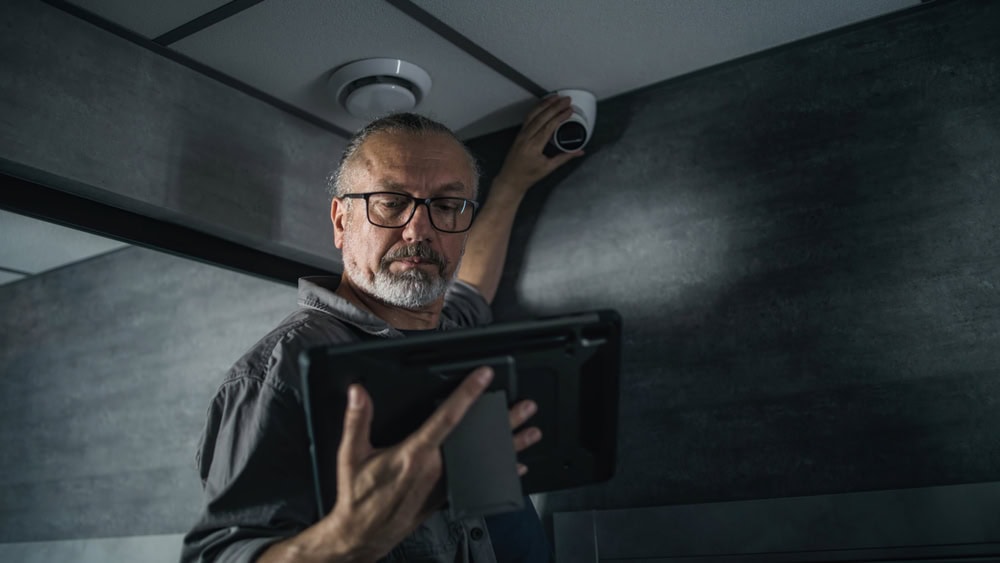
However, professional installation may be worth considering, especially for more complex systems. Trained technicians can ensure optimal placement of cameras and sensors and provide insights into best practices for security. Weighing the pros and cons of each option is essential to determine the most suitable installation method for your situation.
What to Expect During Installation
During installation, whether DIY or professional, some tasks are standard. You will need to identify and prepare locations for cameras, sensors, and control panels. Ensure that power sources are accessible, and consider how the system will integrate with existing home technology.
If using professional services, expect a consultation where technicians assess your needs and develop an installation plan. They will guide the installation process, testing the system to ensure it operates correctly before leaving the premises.
Post-Installation Setup and Testing
After installation, it’s crucial to set up and test your system fully. This phase includes configuring alerts, adjusting camera angles, and integrating smart devices. Familiarize yourself with the system’s functionality to ensure you can navigate the interface and make necessary adjustments.
Regular testing of your security system is equally important. Check that all sensors and cameras are functioning correctly, and periodically review footage to ensure coverage is optimal. This proactive approach will help identify and resolve any issues before they become significant problems.
Maintaining Your Security System
Regular Testing and Updates
Maintenance of your security system is vital for ensuring its effectiveness over time. Regularly test all components, including sensors, cameras, and alarms, to confirm they are functioning correctly. Many systems also require firmware updates to enhance security features and performance, so staying informed about these updates is crucial.
Creating a maintenance schedule can help you stay on track with testing and updates. This routine practice will ensure your system remains reliable and effective, providing ongoing peace of mind.
Replacing Batteries and Components
For systems that operate on batteries, timely replacements are essential. Failure to replace depleted batteries in sensors or cameras can lead to system failures at critical moments. Establish a routine inspection schedule to check battery levels and replace them as needed.
Additionally, some components, such as cameras and sensors, may wear out over time. Monitoring the performance of these components and replacing them when necessary will maintain the overall integrity of your security system.
Staying Informed About New Technologies
The field of home security is continually evolving, with new technologies and features emerging regularly. Staying informed about these advancements allows homeowners to enhance their security systems as new products become available. Researching the latest trends and technologies can help you make informed decisions about upgrades and innovations.
Engaging with security professionals and participating in local or online security communities can provide insights into new technologies that may better serve your needs and help you stay ahead of potential threats.
Legal and Privacy Considerations
Understanding Local Laws and Regulations
Before installing a home security system, familiarize yourself with local laws and regulations. Some jurisdictions have specific rules regarding surveillance, such as prohibitions on recording audio without consent or restrictions on camera placement. Understanding these regulations helps avoid legal repercussions and ensures compliance.
Consulting with local authorities or legal professionals can provide clarity on the legal landscape surrounding home security systems, ensuring you make responsible decisions that respect privacy rights.
Privacy Concerns with Surveillance
While security cameras can enhance safety, they also raise privacy concerns, especially in densely populated areas. Homeowners should consider the impact their cameras may have on neighbors and passersby. Clear signage indicating that surveillance is in effect can help mitigate concerns and uphold transparency.
Balancing security needs with privacy considerations is paramount. Engaging with neighbors about your security measures can foster a cooperative spirit in the community while addressing any concerns about privacy and surveillance.
Conclusion
Summarizing Key Points
In conclusion, investing in a home security system is a critical decision that can significantly impact your safety and peace of mind. By understanding the various types of systems, key components, and installation processes, homeowners can tailor a security solution that meets their unique needs. Regular maintenance, awareness of legal considerations, and community engagement are also essential to ensuring ongoing security and compliance.
Briggs AV Solutions: Your Partner in Home Security
At Briggs AV Solutions, we understand the complexities of home security. Our team is committed to helping you navigate the myriad options available to create a customized security system that fits your lifestyle and provides the protection you need. With a focus on quality service, expert installation, and ongoing support, we are here to ensure your home remains secure.