


Forbes reports that in 2024, the average cost of network downtime for large organizations reached nearly $9,000 per minute. This shows how quickly disruptions can become expensive for any system.
Even a few minutes of downtime can halt your operations and cause frustration. Your network needs to be fast, reliable, and well-organized to keep everything running smoothly. Structured cable solutions make this possible.
They ensure your devices stay connected and your network performs efficiently. However, not all structured cable solutions deliver the same results. Choosing the right one is essential for optimal connectivity.
Discover the best structured cable solutions to enhance connectivity and optimize your network performance.
What Are Structured Cable Solutions?
Structured cable solutions are organized wiring systems that connect all your devices and network equipment. They include the following:
- Cables for data and power transmission
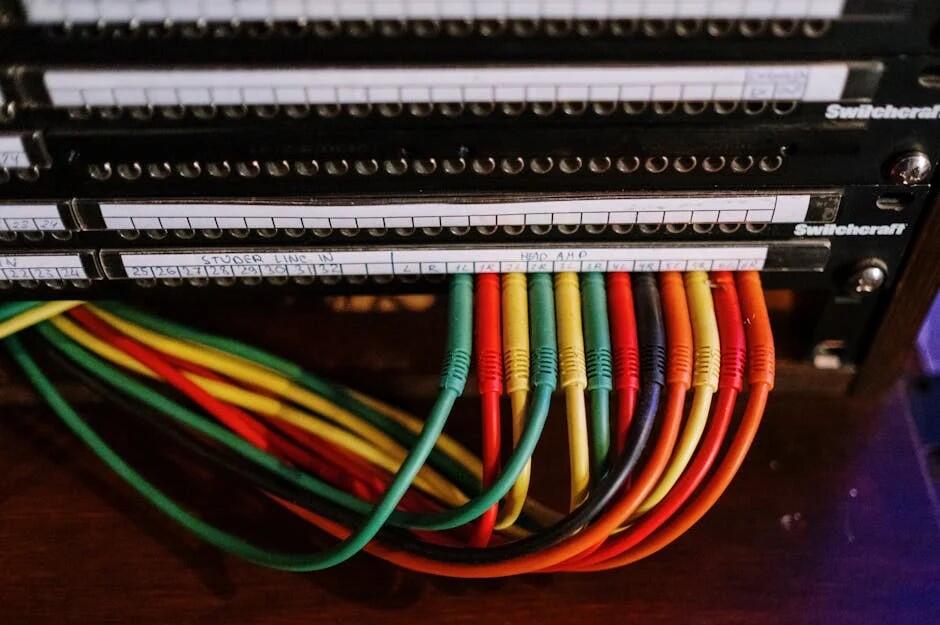
- Patch panels to manage and organize connections
- Racks to hold and protect network hardware
Structured cabling differs from traditional cabling because it is carefully planned and clearly labeled for easy identification. Each connection has a specific place, which makes the network orderly.
Structured cabling also plays a vital role in network infrastructure design. It supports modern network management systems. It can also handle many telecommunications solutions, such as internet, phone, and video services.
Benefits of Structured Cable Solutions
Structured cabling improves how your network operates and supports your business needs. Here are the key benefits you can get from a well-planned, structured cabling system:
Improved Network Performance and Speed
Structured cabling ensures data flows efficiently across your network. This reduces delays and keeps your systems running smoothly. In a busy office, your computers, servers, and audiovisual technology can operate without slowing each other down.
Easier Maintenance and Troubleshooting
Every connection is labeled and mapped, making it simple for you to identify and fix problems. This is especially vital in commercial operations where downtime can affect your operations. Companies offering commercial cabling services often highlight this as a major advantage.
Scalability for Business Growth
Structured cabling makes it easy for you to add new devices or expand your network as your business grows. You can support more employees, extra offices, or new technology without overhauling your system.
Enhanced Reliability for Critical Systems
Your critical systems, such as servers, security networks, and fiber optic cabling connections, stay stable under heavy use. This lowers the risk of network failures. It ensures your operations keep running without interruptions.
Types of Structured Cabling Systems
Structured cabling comes in different types depending on your network needs. Here are the main categories you should know about:
Cat5e
Cat5e is the best option for small offices or home networks. It supports speeds up to 1 Gbps. It works well for the internet, phones, and basic data needs.
Cat6
Cat6 is faster than Cat5e. It can handle up to 10 Gbps over short distances. It is suitable for offices with a high number of devices and heavy internet usage.
Cat6a
Cat6a supports 10 Gbps over longer distances. It reduces interference and works well in bigger offices or commercial buildings.
Cat7
Cat7 is the most advanced option. It has extra shielding to prevent signal problems. It is ideal for large enterprises with heavy data traffic.
Choosing the Right Structured Cable Solution
Your network setup impacts how well your devices communicate and how easy it is to manage your systems. Ensure to take these key points into account before choosing:
Assess Your Current Network Need
Start by looking at how many devices you need to connect and the type of applications you run. Understanding your current demands helps you pick the right cabling system.
Small offices with a few devices can use Cat5e or Cat6 with copper cabling. Large offices or busy networks benefit from Cat6a or Cat7 with fiber cabling. This ensures speed, reliability, and room for future growth.
Plan for Future Scalability
Your network needs to be scalable to support business growth. Consider how many additional devices or locations you might need to support in the future.
Consider Your Budget and Cabling Type
Cost considerations play a key role in your decision. Copper cabling is generally cheaper and works well for shorter distances. Fiber cabling costs more but provides higher speed and can cover longer distances.
Consult Professional Network Design Teams
Consulting professional network infrastructure design teams is important, as they help you choose the best layout and cabling type for your setup. Experts, like those at Briggs A/V Solutions, can provide tailored guidance for your business. Our experience ensures your network stays organized and ready for future growth.
Installation Best Practices
Correct installation is essential for a dependable network. It ensures your devices communicate efficiently and reduces future issues. Here are some best practices to follow:
Plan Your Cable Routing
Always plan the path for your cables before starting. Avoid running cables close to the power lines or other sources of interference. This keeps your network stable and reduces signal problems.
Label Everything Clearly
Labeling each cable and port makes it easy to identify connections. This helps you troubleshoot issues quickly and prevents confusion later.
Use Racks and Patch Panels
Organize your cables using racks and patch panels. This protects your equipment and keeps your setup tidy.
Hire Professionals When Needed
Professional installers, like Briggs A/V Solutions, have the experience to set up your network correctly. Proper installation helps prevent future problems and makes maintenance easier.
Our guidance will keep your network organized and reliable. Maintenance also becomes easier and more efficient over time.
Take Your Network to the Next Level With Structured Cable Solutions Today
Investing in the right structured cable solutions ensures your network runs smoothly and reliably. Careful planning, selecting the right system, and proper maintenance help prevent downtime. This also supports your network’s growth in the future.
For over a decade, Briggs A/V Solutions has been transforming commercial and high-end residential spaces across middle Tennessee. We offer customized technology integration, from structured cabling and network systems to smart home automation, lighting, and audiovisual solutions.
Led by founder William, our certified and insured team delivers seamless, reliable, and future-ready installations. Get in touch today for a smarter upgrade.